ADUs and Carriage Houses for Income in St. Louis
October 16, 2025
October 16, 2025
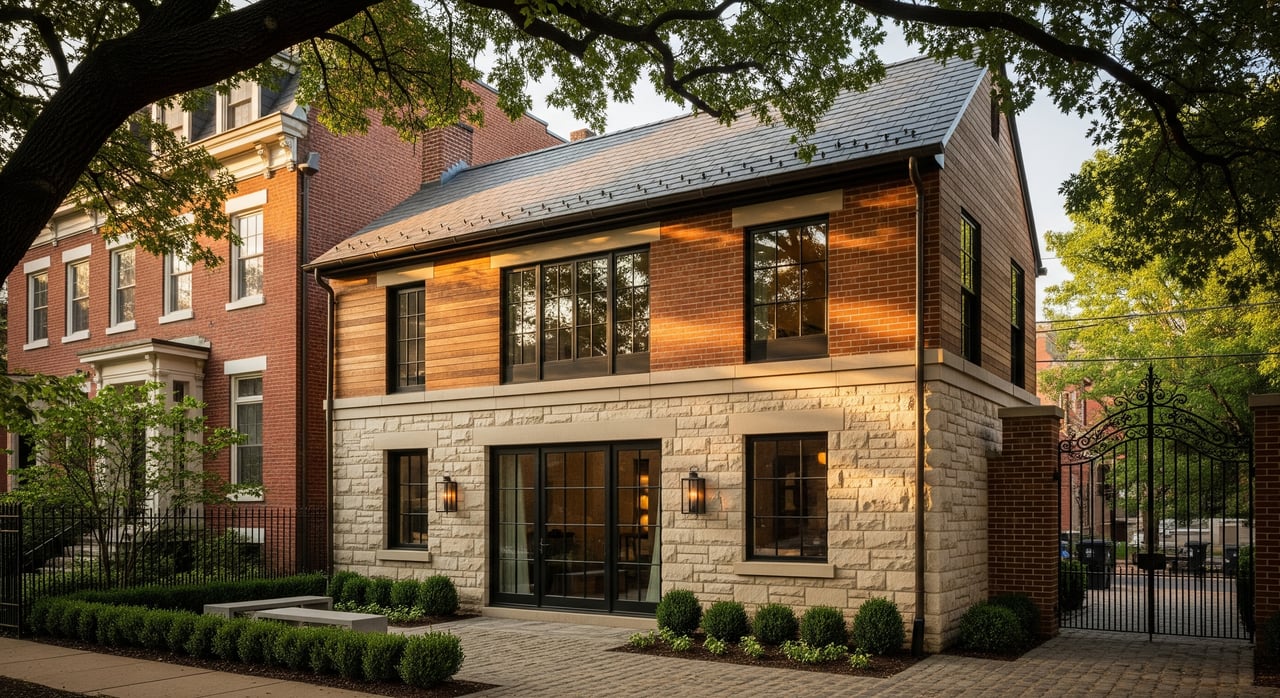
Thinking about a backyard cottage or converting your garage into a rental? With new rules now in place in the City of St. Louis, an accessory dwelling unit (ADU) or classic carriage house can create flexible space and a new income stream. You want clear guidance on what you can build, how to permit it, what it might cost, and how much rent it could earn. This guide walks you through the essentials so you can plan with confidence and avoid costly missteps. Let’s dive in.
In 2025 the City of St. Louis adopted Board Bill 60, recorded as Ordinance 72036, which defines ADUs and permits them by right in residential zones. The ordinance took effect on September 29, 2025 and removes the old need to pursue a variance for most projects. You can review the official summary on the city’s Board Bill page and the full ordinance text.
ADUs are subordinate, independent dwellings on the same parcel as a single-family, two-family, or semi-detached two-family home. The ordinance distinguishes Attached ADUs (connected but not within the primary structure) and Detached ADUs (separate structures).
See detailed limits in the city’s ordinance text.
Even with by-right zoning, you must follow standard permitting and inspections.
Most ADUs will require building, electrical, plumbing, and mechanical permits. Start with the City Building Division’s permits portal and residential handouts. Secure your building permit before construction and plan for required inspections.
Before anyone moves in or you rent the unit, you must obtain a Housing Conservation inspection and Certificate of Inspection. The certificate sets allowable occupancy and is valid for 12 months. See the city’s Housing Conservation page for fees and scheduling.
If your project involves exterior changes in a City Historic District or on a City Landmark, it will be routed to the CRO. Smaller projects may be reviewed at the CRO Hotspot desk, while larger ones can require Preservation Board review. Visit the CRO overview for process details.
Garage conversions that reuse utilities can be completed in weeks to a few months. New detached ADUs typically take several months to a year or more due to design, site work, utility connections, plan review, CRO review where applicable, permits, and contractor scheduling. Check the Building Division’s guidance for current submittal and inspection windows.
ADUs can support different strategies. Your plan should align with city rules and your goals.
St. Louis citywide rents vary by neighborhood and unit quality. As a conservative benchmark, HUD-related figures for the broader metro show 2025 levels around $1,030 for a studio, $1,066 for a one-bedroom, and $1,316 for a two-bedroom at the 40th percentile. See the current table on RentData. Higher-demand neighborhoods often command more; lower-demand areas may be below these levels.
Short-term rentals are governed by a separate city ordinance and permit program. The city notes that a court order has, at times, prohibited enforcement while litigation is pending. If you plan to operate short term, monitor the city’s short-term rental permit page for updates and verify current enforcement before relying on short-term income.
Plan for both the upfront build and ongoing operations.
Industry ranges for 2024 to 2025 show wide variation by scope, utilities, and finish level. As a general guide, garage or internal conversions often run about $60,000 to $150,000. Attached ADUs commonly run $100,000 to $250,000, and new detached units often range from $140,000 to $300,000. Midwest labor and site costs can be lower than coastal markets, but you should confirm local bids.
Adding livable area or building a new structure typically increases assessed value. St. Louis reassesses on an odd-year schedule and has an appeals process. Plan for higher taxes as part of your ROI. Learn more on the Assessor’s reassessment page.
For operations, many long-term rental managers charge about 8 to 12 percent of collected rent, with additional leasing and turnover costs. Short-term rental managers often charge more and include higher cleaning and supply costs. Budget for vacancy, maintenance reserves, insurance adjustments, utilities if you include them, and city inspection or certification fees.
If a well-finished 1-bedroom ADU rents near conservative benchmarks around $1,000 to $1,200 per month, gross annual income is about $12,000 to $14,400. From that, subtract management (around 10 percent as a planning figure), vacancy, maintenance, higher insurance, utilities you cover, and increased taxes. Your net will depend on neighborhood demand and build quality.
Verify feasibility. Confirm your zoning and whether the new ADU provisions apply to your parcel. If you are in a local historic district, note CRO review. Start with the ordinance text and your property’s status.
Set budget and financing. Get preliminary contractor estimates by ADU type and talk to lenders about using ADU income under FHA or Fannie Mae guidance. Review FHA’s update here and Fannie Mae’s overview here.
Design and plan review. Engage an architect or design professional, assemble drawings, and check CRO standards if applicable. Use the CRO’s overview page for historic review context.
Apply for permits. Submit building, electrical, plumbing, and mechanical permits through the Building Division. If CRO review is required, allow time for sign-off.
Build and inspect. Follow your approved plans and schedule inspections as required through the Building Division.
Get occupancy approved. Before renting, obtain your Housing Conservation Certificate and Certificate of Inspection from the city’s Housing Conservation office. If you plan short-term use, verify the current legal status on the city’s short-term rental page.
Plan for taxes and records. After completion, monitor the Assessor’s notice of reassessment and be prepared to appeal if needed. Start with the Assessor’s resources.
If you want flexible space for family, a guest suite, or steady rental income, the new ADU rules in St. Louis open the door. Your best outcome comes from solid planning: align the design with the ordinance, line up smart financing, and model realistic rents and expenses. When you are ready to talk through feasibility, neighborhood demand, and next steps, reach out.
I’m here to help you evaluate your options, from valuation to rental strategy to timing a build with your broader goals. Connect with Sandra R Mesker to start a private, data-driven conversation.
Stay up to date on the latest real estate trends.
With a reputation for integrity and results, Sandra Mesker guides you through every step of the process. From first-time buyers to seasoned sellers, Sandra crafts a tailored experience that meets your unique needs and exceeds your expectations.