Frontenac New Builds Versus Classic Luxury Estates
July 2, 2026
July 2, 2026
Wondering whether a Frontenac new build or a classic luxury estate is the better fit for your next move? In this market, that choice is not just about age or style. It is about how you want to live, how much customization you want, and how Frontenac’s planning and review process shapes nearly every major housing decision. Let’s break down what really separates these two paths so you can move forward with more clarity and confidence.
Frontenac is a mature, built-out luxury suburb, not a place defined by large waves of brand-new subdivision growth. According to the city’s draft comprehensive plan, high property values are putting pressure on redevelopment of older and market-obsolete housing. That means many “new” homes in Frontenac are actually infill projects or teardown-and-rebuild opportunities.
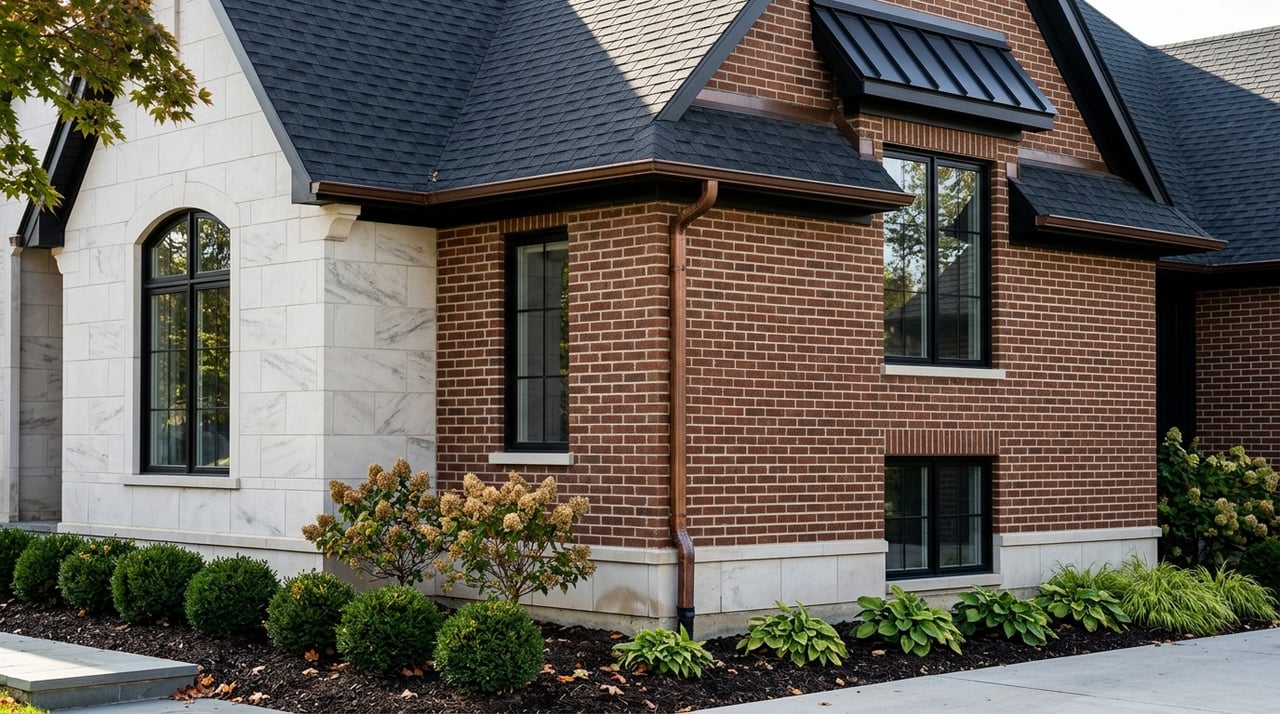
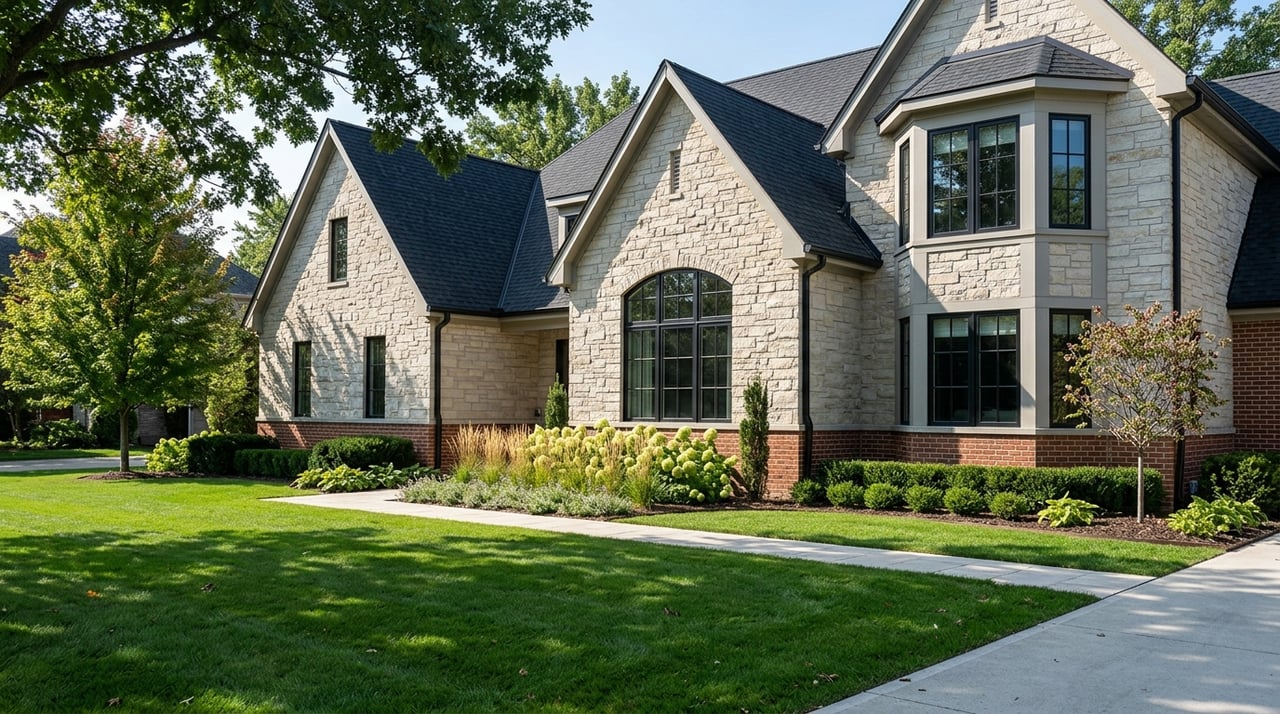
That context matters because it changes the way you should think about new construction here. In Frontenac, a new luxury home is often shaped by an existing lot, established streetscape, and city review standards. It is less about picking a home in a brand-new neighborhood and more about creating something that fits within a long-established setting.
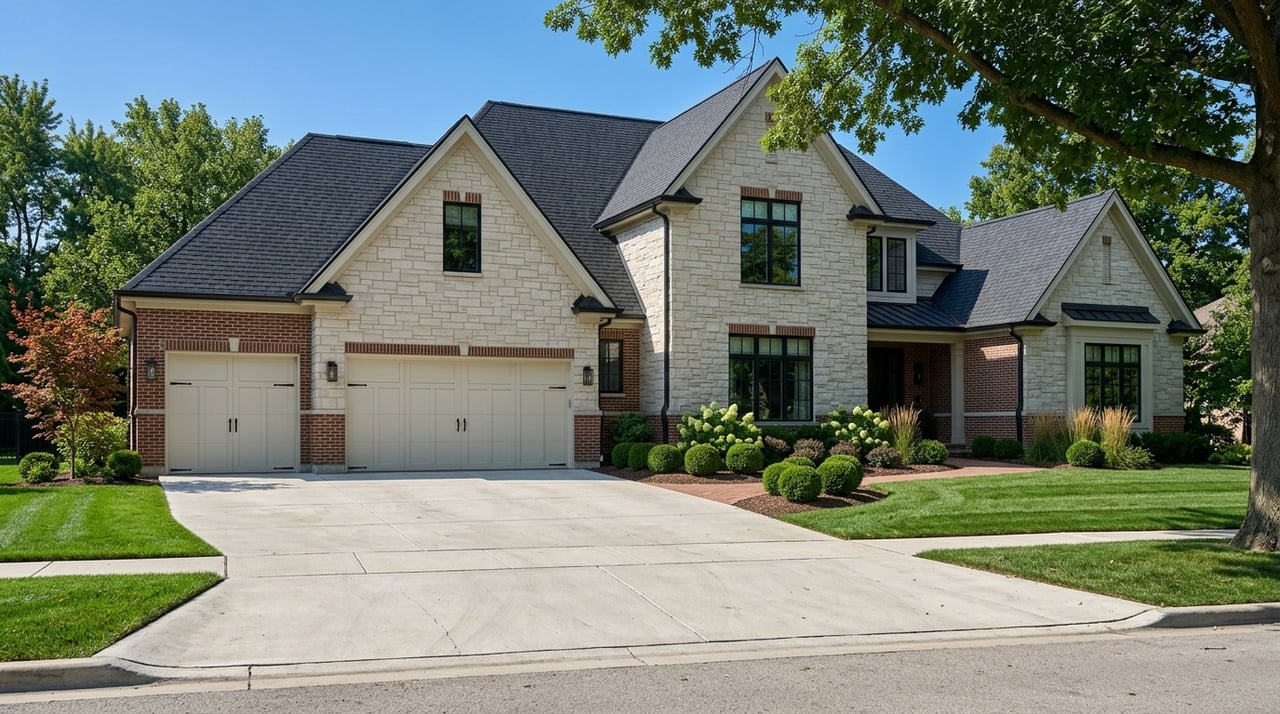
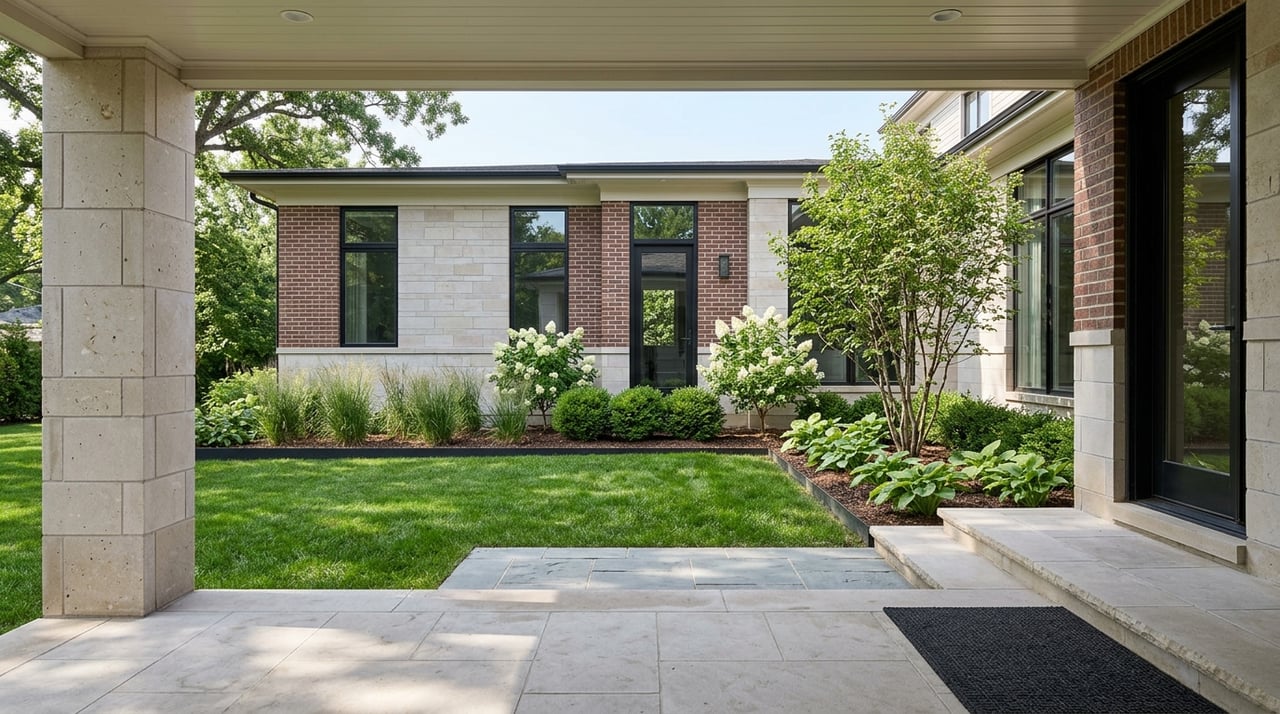
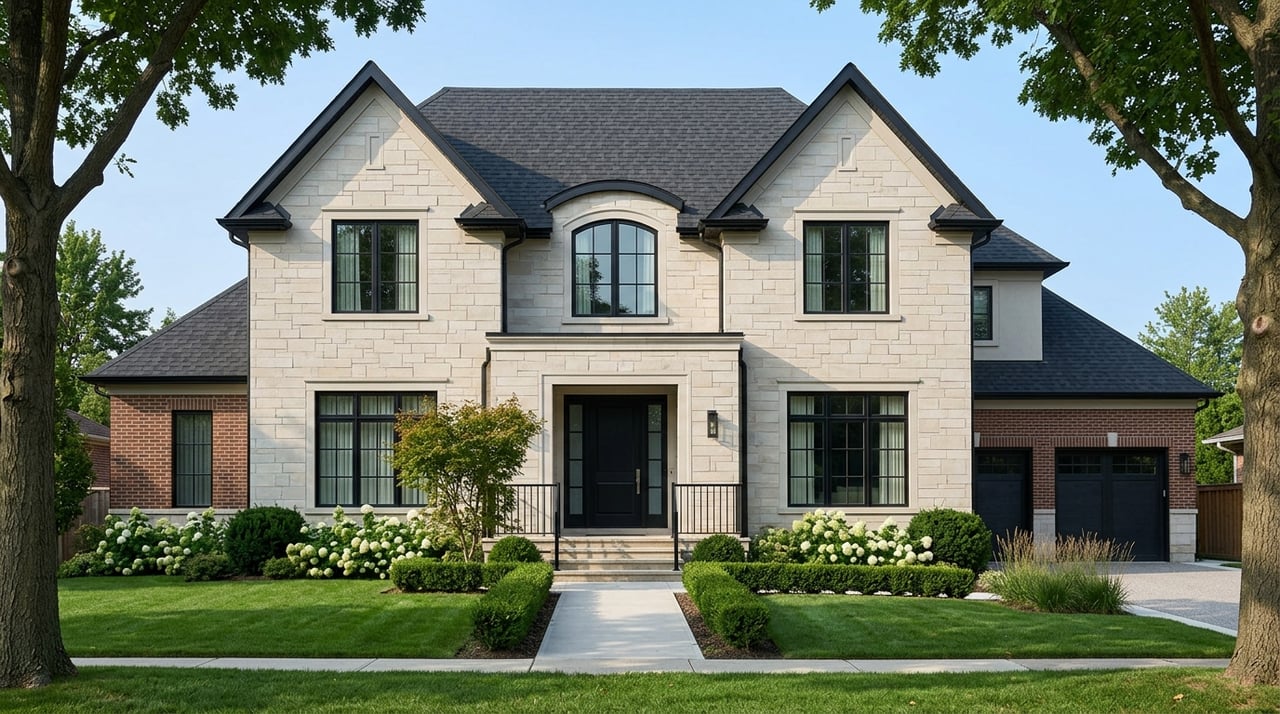
A new build in Frontenac often appeals to buyers who want a fresh start, modern systems, and a home designed around current needs. Because the city has adopted the 2021 International Residential Code, Energy Conservation Code, and related building codes, new construction begins with a more current code baseline than many older homes. That can be an important advantage if you value updated construction standards from day one.
New homes here are also part of a structured approval process. The city’s Building & Planning department reviews zoning and building plans, issues permits, and works to preserve the character of Frontenac’s buildings. In other words, a new build is not an informal project. It is a detailed, permit-driven process.
If you are considering a new build, expect the Architectural Review Board, or ARB, to play a meaningful role. The ARB reviews all new construction and exterior-related applications to help ensure the project is harmonious with surrounding development. If the home is in a subdivision governed by trustees, that review happens before the ARB votes.
The city requires full construction plans before the ARB will vote. Applicants may need to submit property lines, setback lines, grading information, roof plans, exterior materials, elevations, landscaping and tree preservation plans, tree surveys, and hardscape and greenspace calculations. That level of detail tells you a lot about how seriously Frontenac treats design, site planning, and neighborhood fit.
For many buyers, the biggest draw of a new build is control. You may be able to shape the floor plan, finishes, exterior style, and system choices around the way you actually live. If you want open gathering spaces, newer energy-efficiency standards, or less immediate maintenance, new construction may feel like the cleaner solution.
That said, customization in Frontenac still happens within local rules. Lot geometry, setbacks, landscape requirements, and architectural review can all affect what is possible. In this market, building new does not mean building without constraints.
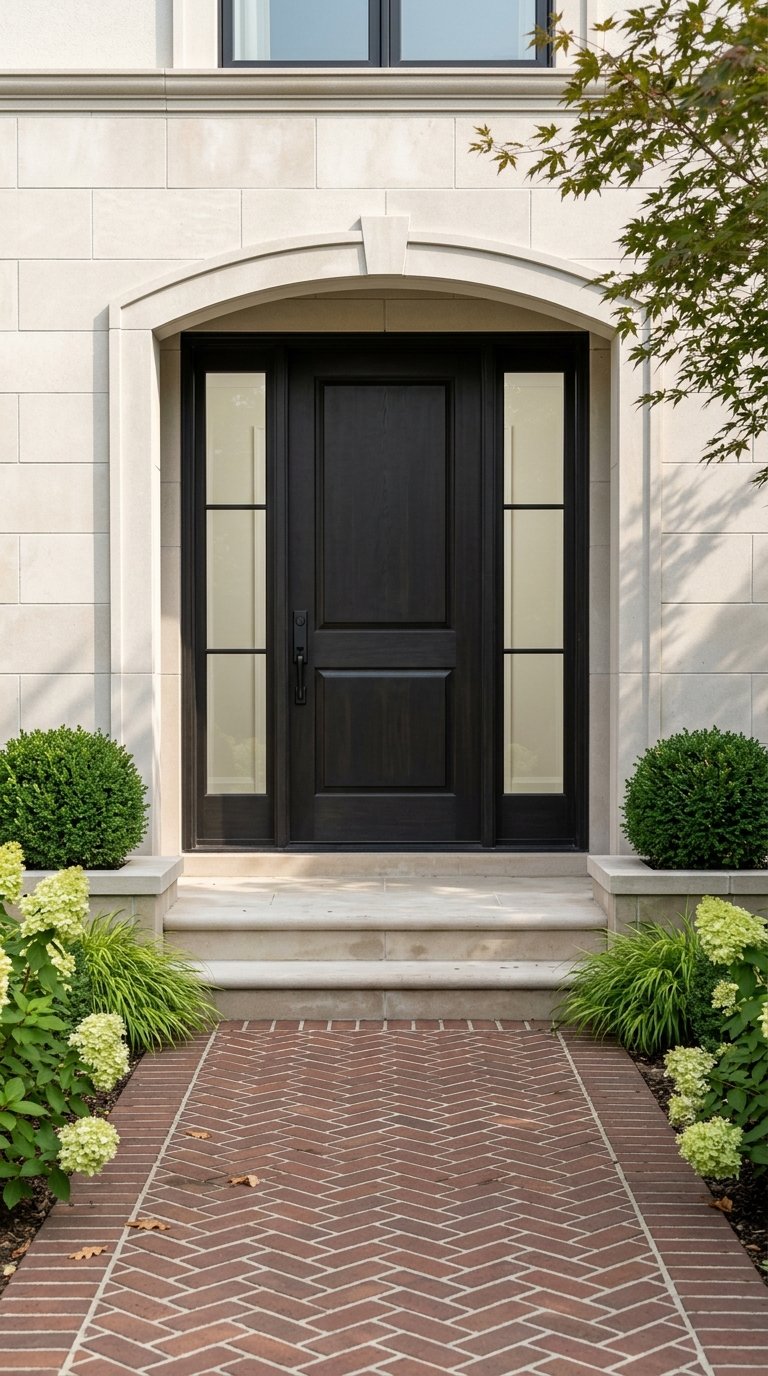
A classic Frontenac estate offers something many buyers cannot replicate overnight: established presence. The city’s zoning framework helps explain why these homes often feel spacious and private. Frontenac’s zoning FAQ states that R-1 zoning has a one-acre minimum, while R-2 has a 7,500-square-foot minimum, with open-space and greenspace requirements that support a more estate-like setting.
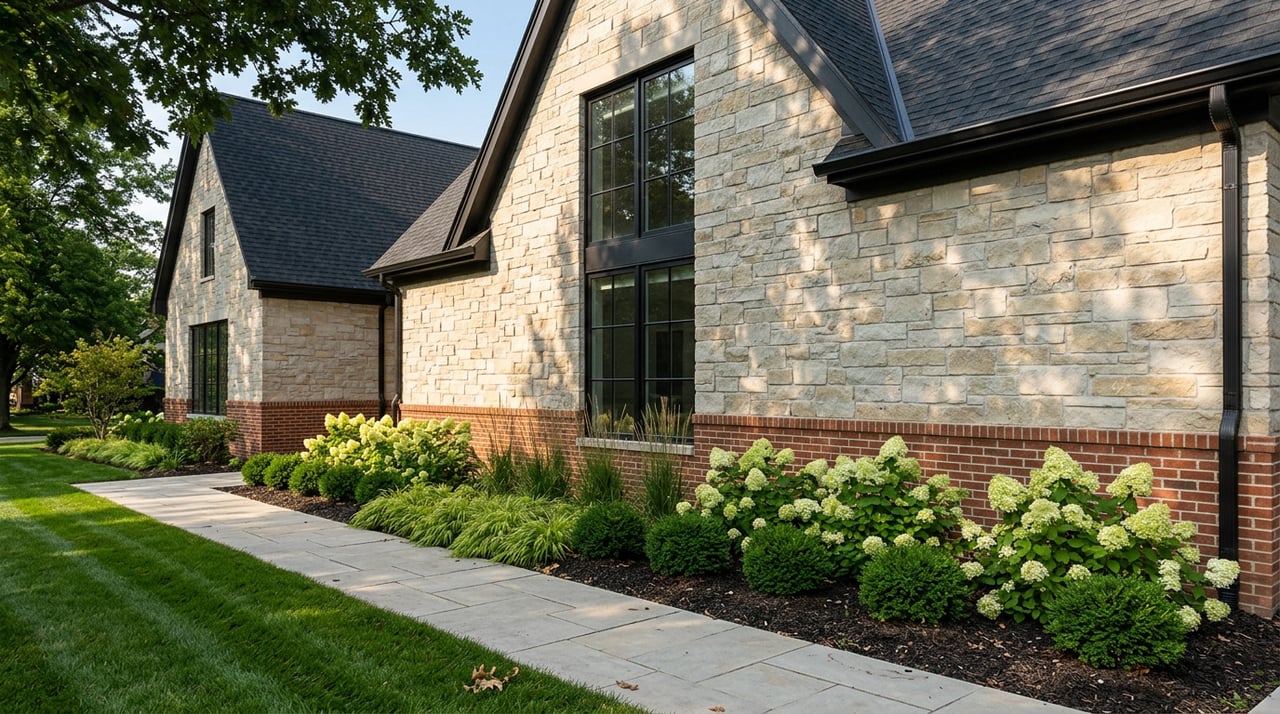
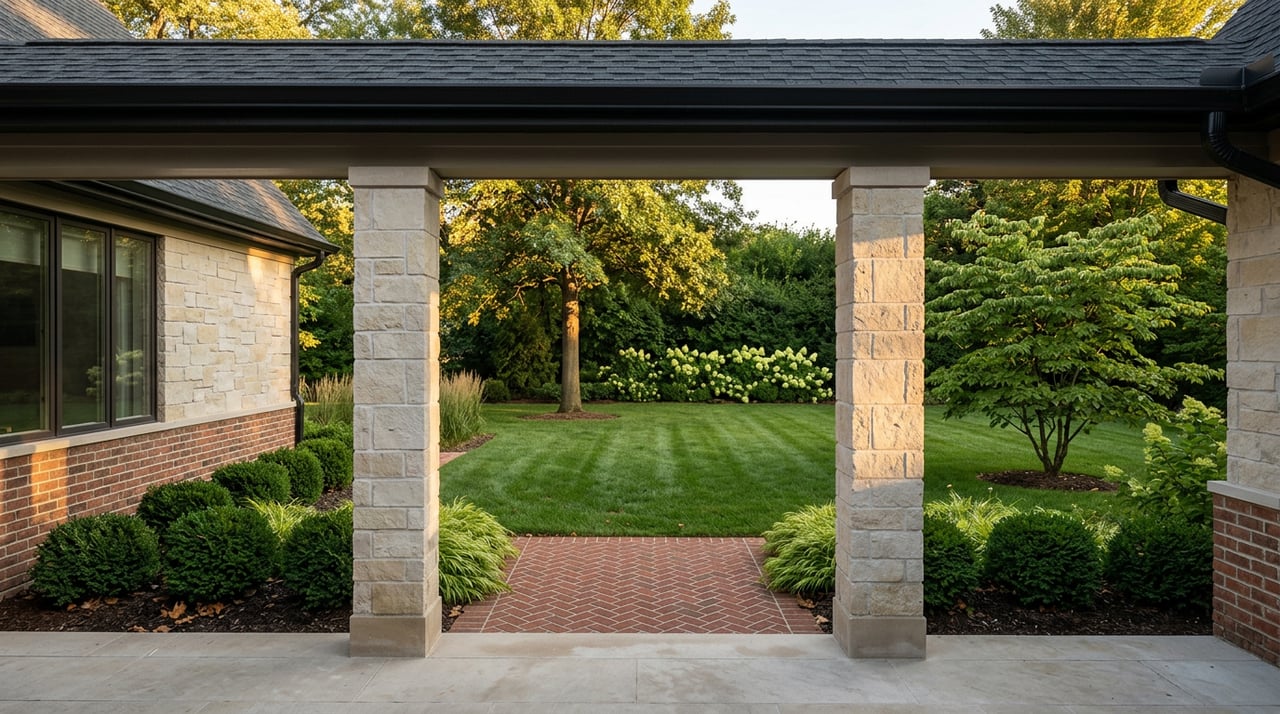
That larger-lot pattern, combined with mature landscaping and tree canopy, gives many older Frontenac homes their enduring appeal. The result is often a setting that feels grounded, layered, and finished in a way new construction may take years to achieve.
Frontenac’s current planning goals place a strong emphasis on preserving subdivision character and expanding landscape and tree-canopy protections. The city also notes that its mature tree canopy will require active management for long-term health. For buyers who care about wooded lots, established streets, and a home that feels integrated into the landscape, that is a meaningful part of the classic estate appeal.
In practical terms, this can mean a property with visual depth, a stronger sense of separation from the street, and outdoor spaces that feel more settled. Those qualities are hard to manufacture quickly, even with a beautifully designed new home.
Older luxury homes can also be a strong fit if you prefer to improve a property over time. Frontenac’s FAQ says many remodels require permits, including basement remodeling and many kitchen and bath projects. At the same time, some interior renovations may not require a site plan, which can make phased updates more manageable.
Not every project triggers the same level of review. The ARB checklist notes that some work that does not affect outward appearance, such as certain window replacements or roofing shingle replacements, does not require ARB approval. For buyers who want to preserve the character of an existing home while making strategic updates, that flexibility can be attractive.
The choice often comes down to priorities. Here is a simple way to compare the two in Frontenac.
| Option | Often Best For | Key Advantages | Key Considerations |
|---|---|---|---|
| New build | Buyers who want customization and current construction standards | Modern code baseline, design control, potentially less immediate systems work | Formal review process, lot constraints, tree and site considerations |
| Classic estate | Buyers who value setting, character, and phased improvements | Mature landscaping, established presence, renovation upside | Updates may be needed, permits still matter for many projects |
Neither path is automatically better. In Frontenac, both are shaped by the same larger forces: neighborhood character, lot conditions, landscape preservation, and city review requirements.
Before you commit to either option, it helps to ask a few local, property-specific questions early.
A Frontenac lot may look generous, but buildable area is shaped by setbacks, property lines, grading, and open-space expectations. For a new build, these factors can influence size, placement, and exterior design. For an older estate, they can affect how easily you can expand or rework the home later.
The city’s ARB materials advise applicants to research subdivision indentures and bylaws. That is especially important in established luxury areas, where subdivision-level restrictions may affect exterior changes, rebuild plans, or design elements. These rules should be reviewed early, not after plans are underway.
Frontenac has two major floodplain areas, primarily around Deer Creek and Two Mile Creek. The city states that construction or land disturbance in a floodplain requires a permit, and new structures must place the basement or floor at least two feet above base flood elevation. The city also notes that substantial improvements exceeding 50% of a structure’s value must bring the whole structure into compliance.
This does not mean floodplain properties are off the table. It does mean they require careful upfront review, especially if you are weighing a teardown, major addition, or extensive renovation.
One of the most useful ways to think about this market is that Frontenac is not simply “new versus old.” It is a curated luxury market where both options are influenced by design compatibility, green space, tree preservation, and long-established neighborhood patterns. The city’s planning goals consistently point toward preserving and enhancing subdivision character while accommodating thoughtful reinvestment.
That balance has been part of Frontenac’s identity for years. In a historical comprehensive-plan survey, 97% of respondents agreed that Frontenac benefits from renovation or expansion of existing homes, and 73% agreed that older residences can be torn down and replaced with newer residences of comparable scale and character. While that survey is historical context rather than a current market statistic, it still reflects a long-standing local preference for change that respects neighborhood scale.
If you want a home built around your lifestyle, current construction standards, and a fresh design vision, a new build may be the right path. If you are comfortable navigating approvals and want a highly tailored result, Frontenac offers opportunities to create something exceptional within a well-defined framework.
If you are drawn to mature landscaping, estate-like lots, and a home with established presence, a classic luxury estate may be the better fit. This route can also work well if you prefer to renovate in stages and shape the property over time.
In either case, local knowledge matters. In a market like Frontenac, the real value is not just finding the right house. It is understanding how the lot, the city process, and the neighborhood setting all come together before you make a move.
If you are weighing a Frontenac new build against a classic estate, personalized guidance can make the path much clearer. To talk through your options with a local luxury advisor, Sandra R Mesker can help you evaluate properties, timing, and strategy with the discretion and detail this market deserves.
Stay up to date on the latest real estate trends.
With a reputation for integrity and results, Sandra Mesker guides you through every step of the process. From first-time buyers to seasoned sellers, Sandra crafts a tailored experience that meets your unique needs and exceeds your expectations.