Pairing A St. Louis Condo With A West County Home
June 25, 2026
June 25, 2026
If you love the energy of St. Louis but also want the space and privacy that come with a larger suburban property, you may not have to choose just one. A two-home strategy can give you an urban foothold in the city and a more expansive daily base in West County. When you understand how the locations, ownership costs, and tax systems work together, this pairing can become a smart lifestyle move. Let’s take a closer look.
St. Louis is especially well suited to a two-home approach because the City of St. Louis and St. Louis County operate separately. The city functions independently, while St. Louis County has its own systems for taxation and local administration. That creates a clear distinction between an urban city property and a suburban county property.
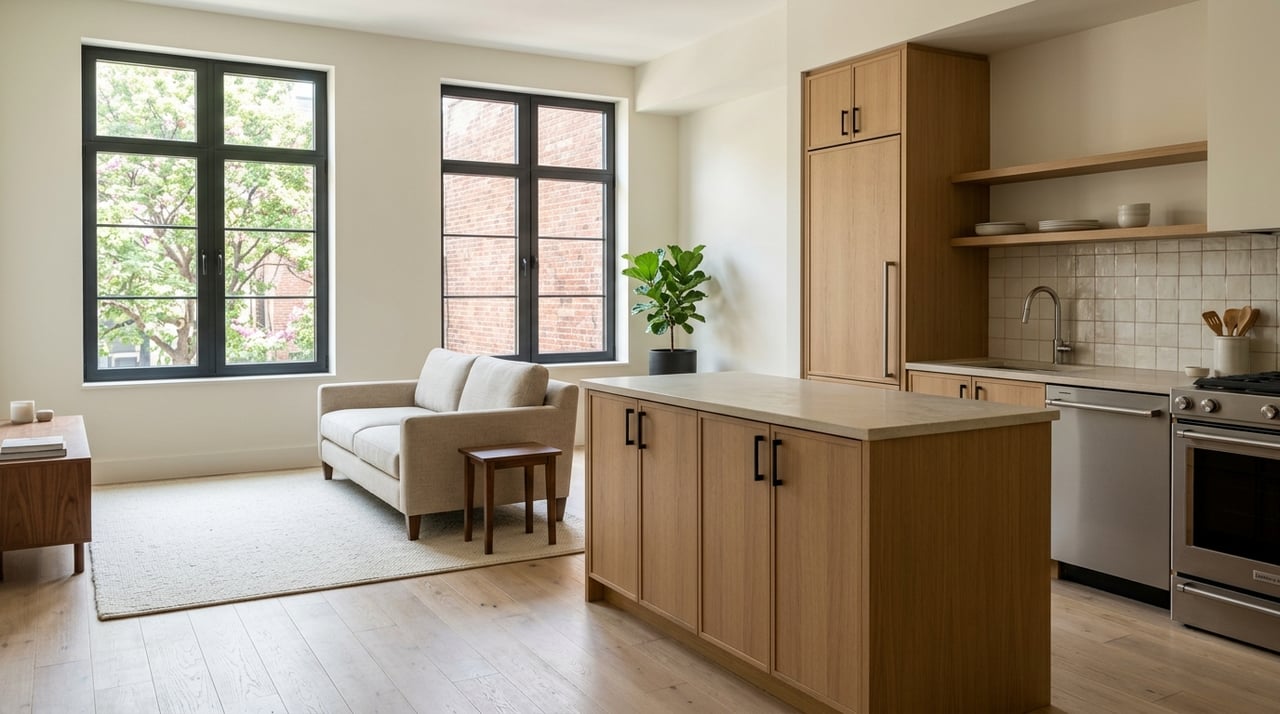
For many buyers, the appeal is simple. A city condo can give you convenience, easier access to cultural destinations, and a lower-maintenance setup. A West County home can give you larger lots, more privacy, and room to spread out.
This structure can work particularly well if you want flexibility in how you live, entertain, or commute. It can also appeal if you spend part of your time in the city but prefer your primary living space to be in a more private suburban setting.
The City of St. Louis publishes profiles for 79 neighborhoods, which gives you a wide range of urban choices. If your goal is a condo or loft that feels connected to city life, a few neighborhoods stand out based on their housing patterns and location.
The city describes the Central West End as a late-19th-century district shaped by Forest Park. For buyers considering a condo base, that often translates to a neighborhood with a strong urban identity and a compact, convenient feel. It is a practical fit if you want a city residence that supports frequent in-town use.
Downtown West is an official central city neighborhood with defined boundaries. If you want a more central location for a condo or loft, this area can make sense as an easy-access base. Its urban form supports the kind of lock-and-leave lifestyle that many second-home or part-time city buyers want.
The city places Lafayette Square just south of downtown. For buyers who want a city property with historic context and a neighborhood setting close to the urban core, it is a compelling option to consider. It can suit those who want convenience without giving up a distinct neighborhood identity.
Soulard is described by the city as a historic district with early row-house patterns and other dense urban housing forms. That built environment naturally fits condo, loft, and city-style living. If your goal is a walkable and compact urban base, Soulard deserves a place on your shortlist.
While the city condo offers convenience, the West County home is often the property that delivers the space and privacy many buyers still want day to day. This is where the pairing becomes practical rather than purely aspirational.
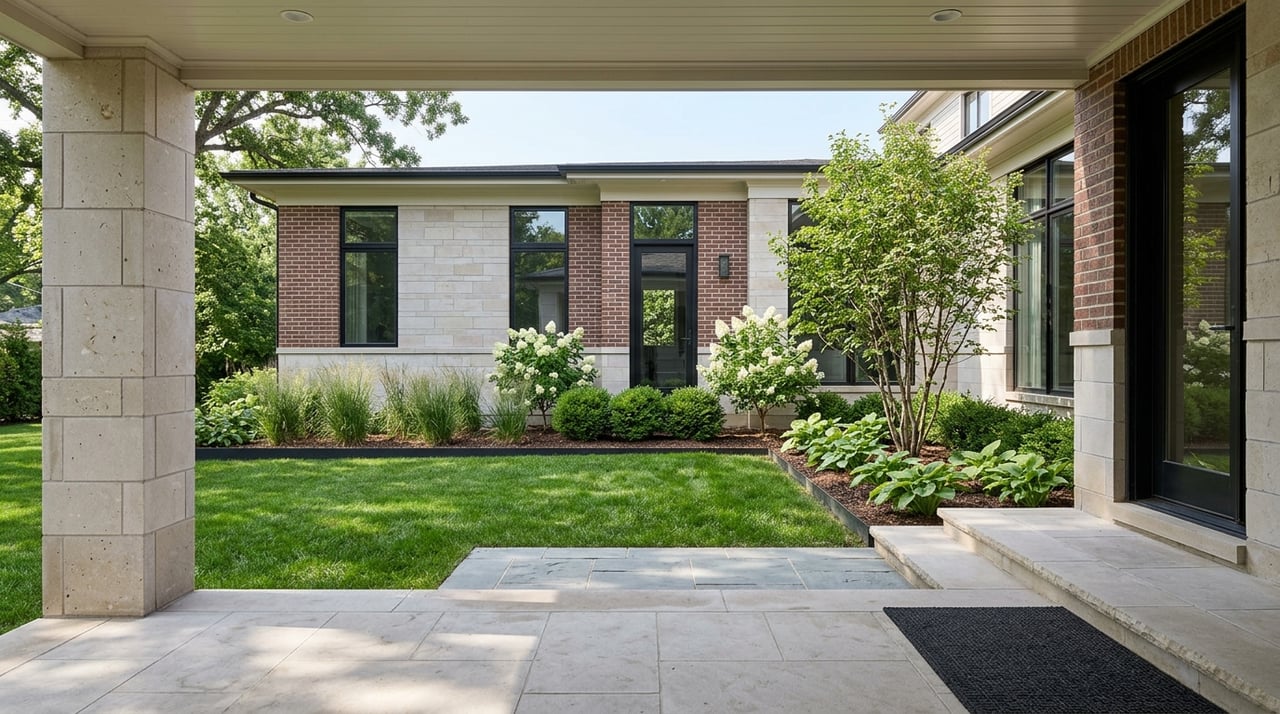
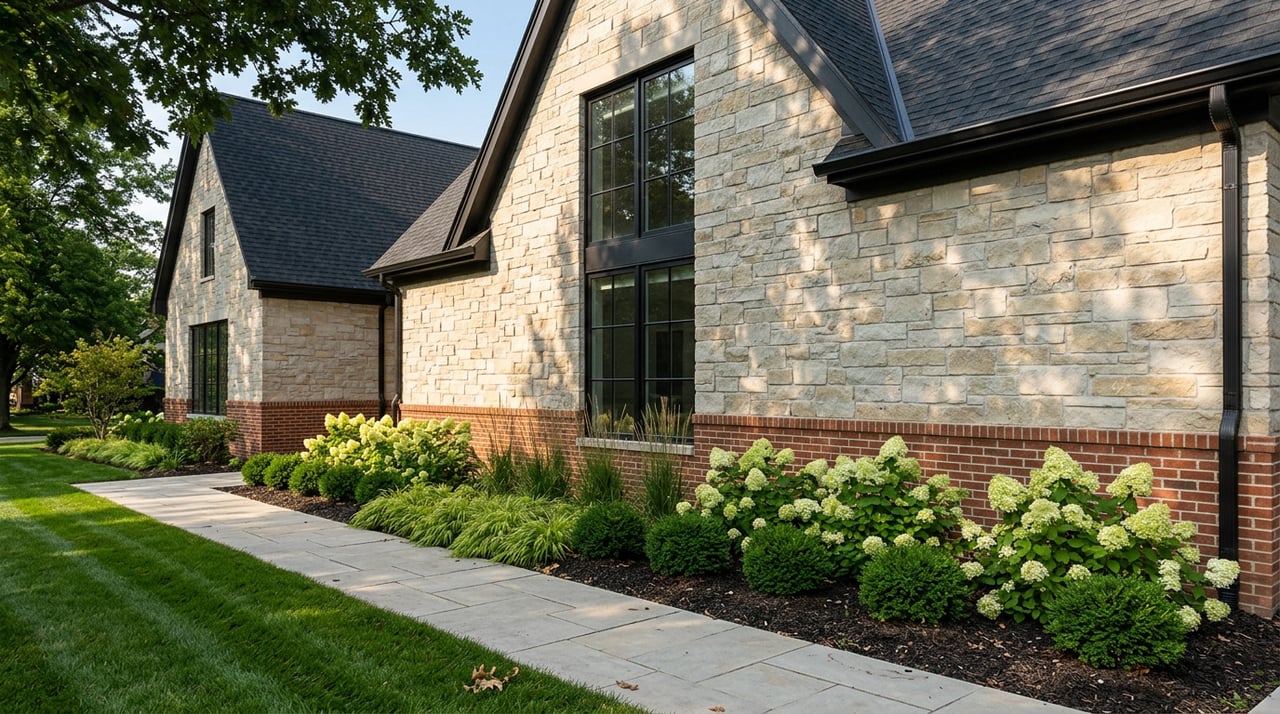
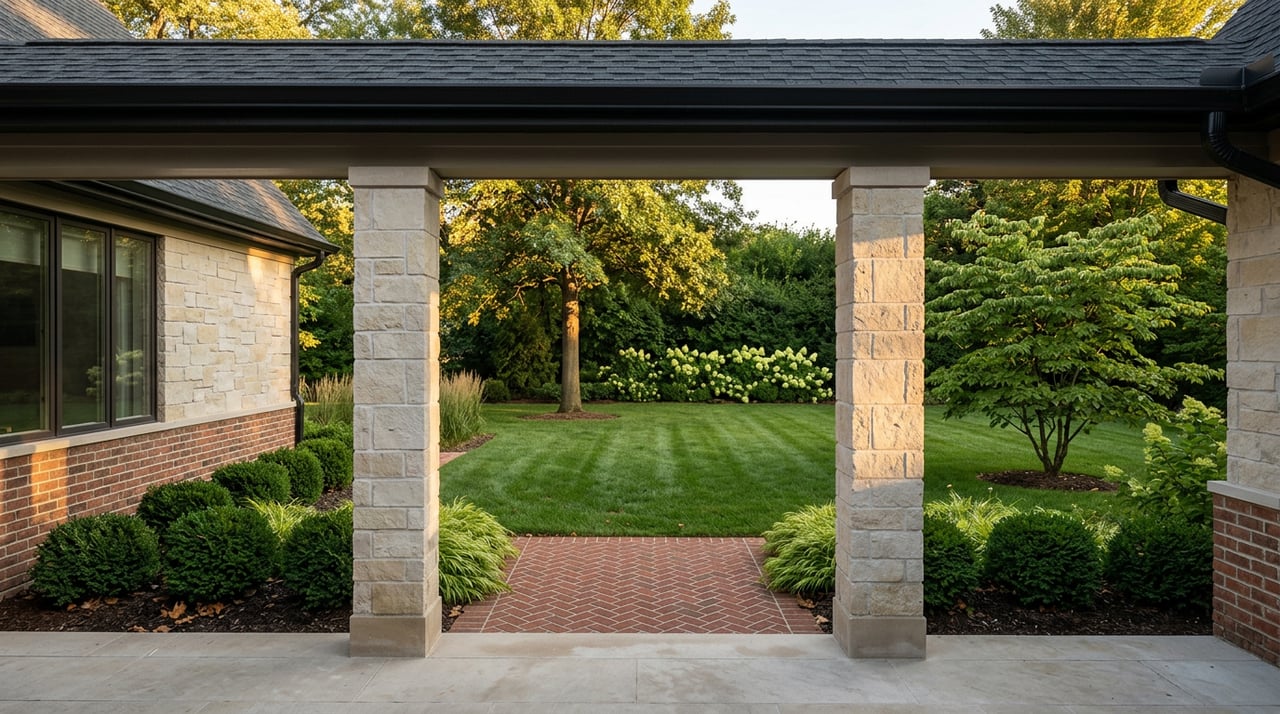
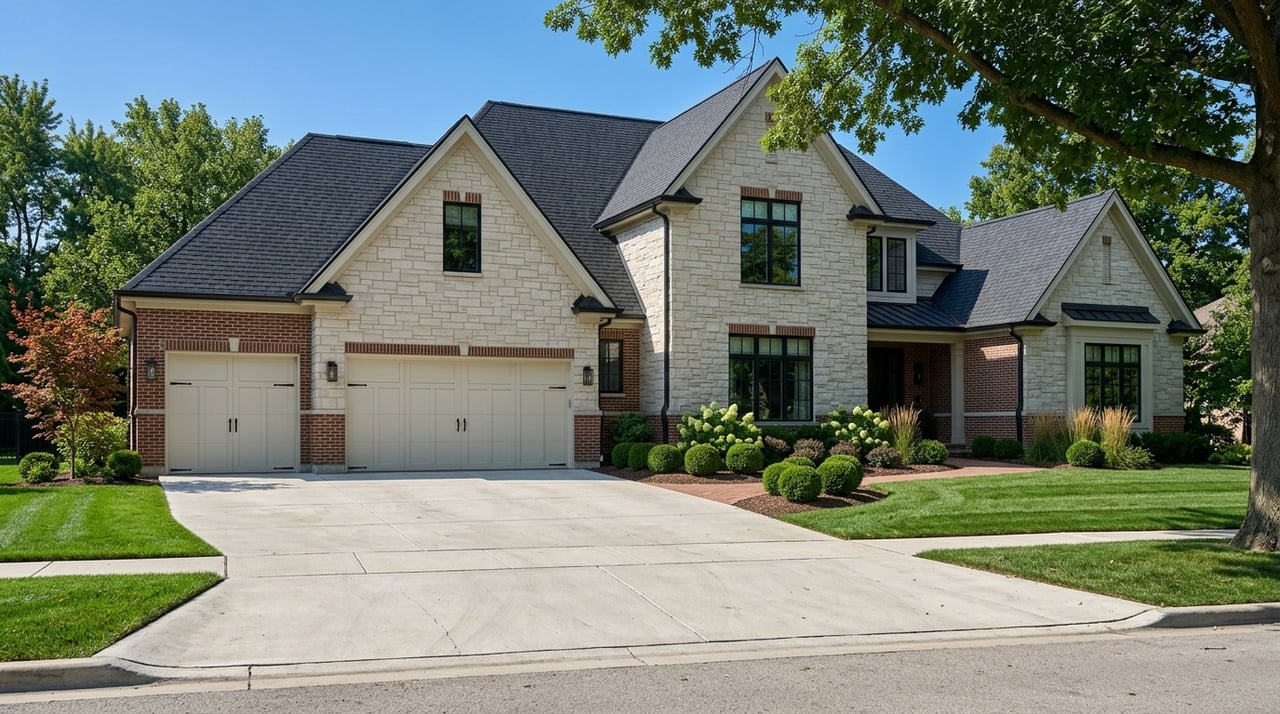
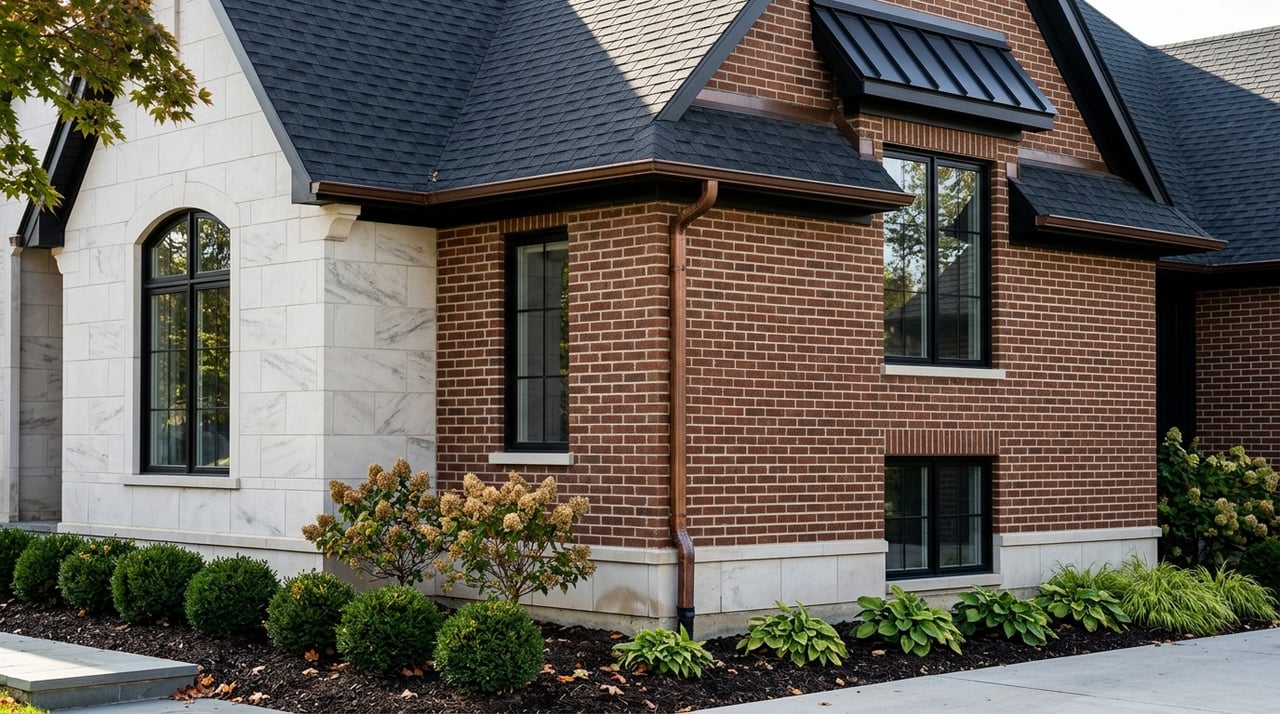
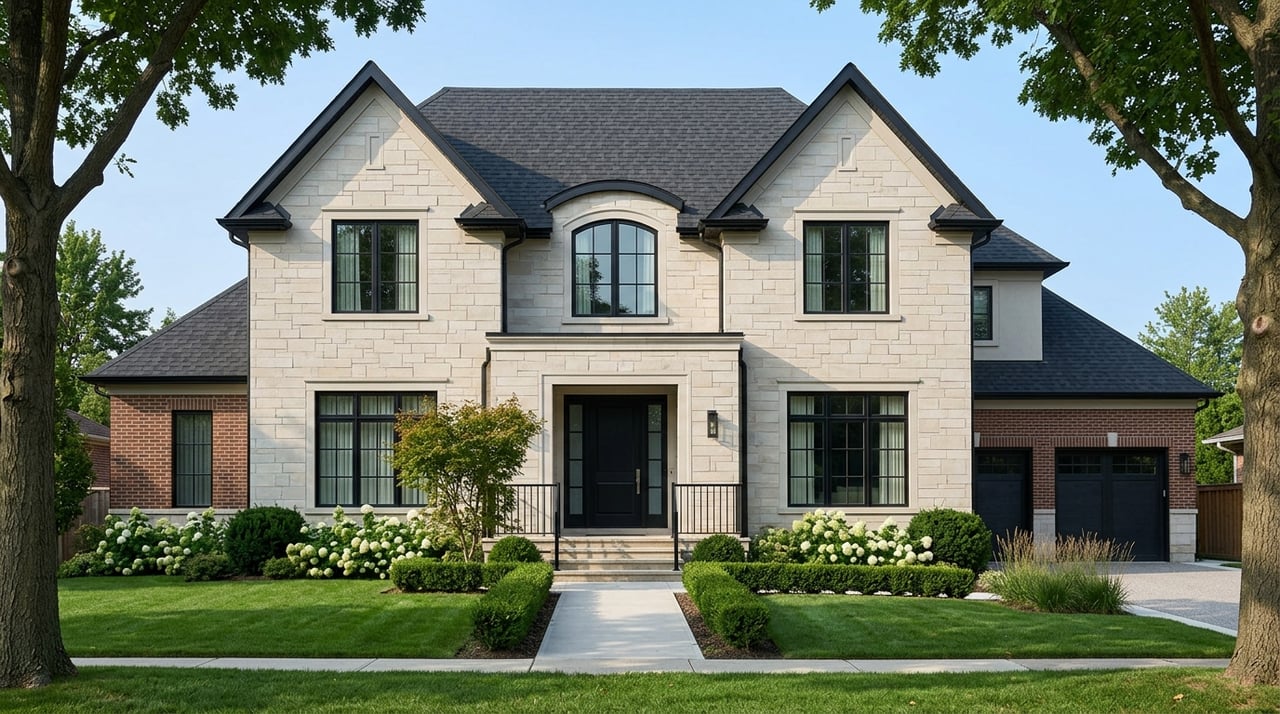
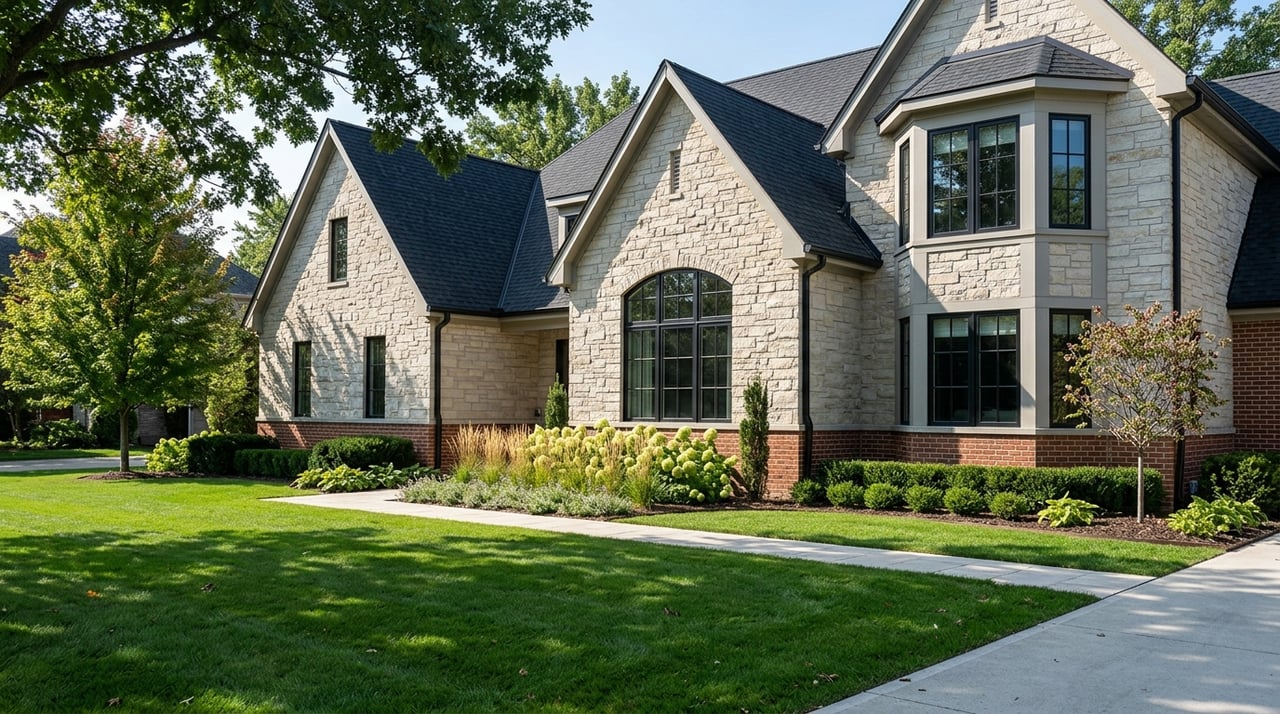
In places like Ladue, Frontenac, and Town & Country, the land patterns are very different from city neighborhoods. These communities are shaped by larger lots, more separation between homes, and a more expansive residential feel.
Ladue’s architectural guidelines reference residential zoning districts ranging from 3-acre minimum lots to areas with 10,000 to 15,000 square-foot minimums. That range tells you something important about the housing stock. You may find everything from estate-style settings to more compact but still upscale suburban homes.
Frontenac reports about 3,482 residents, roughly 1,300 homes, and 1,944 acres, with predominantly one-acre lots. For buyers comparing a city condo with a county home, that statistic highlights a very different living environment. It points to privacy, larger grounds, and a more spacious residential pattern.
Town & Country’s community survey says residents especially value green space, one-acre lot zoning, parks, and safety. Those preferences help explain why Town & Country often appeals to buyers who want elbow room and a calmer residential setting. If your suburban property is meant to be the retreat, this type of environment can be a strong match.
The biggest mistake in a two-home plan is focusing only on purchase price. You need to budget for the full monthly cost of both properties, not just principal and interest.
A complete housing budget can include:
With this pairing, your city condo and West County home may have very different cost structures. The condo may feel simpler at first glance, but shared-building ownership comes with its own rules, assessments, and budgeting needs.
Missouri condo law gives associations the power to adopt annual budgets, collect assessments for common expenses, regulate common elements, and charge late fees or reasonable fines after notice and an opportunity to be heard. That means condo living can reduce some day-to-day exterior responsibilities, but it does not remove governance or financial obligations.
The same law generally makes the association responsible for common elements, while you as the owner are responsible for the unit itself. That owner-association split is important when you compare a condo with a single-family West County home. The two properties may require very different planning and expectations.
Missouri law also requires condo associations to carry property and liability insurance on common elements. If repair or replacement costs exceed insurance proceeds and reserves, the excess becomes a common expense. In practical terms, that is why you should leave room in your budget for more than standard monthly dues.
One of the most important parts of this pairing is understanding that the city and county operate with separate systems. If you own a condo in the City of St. Louis and a home in St. Louis County, you may be dealing with two sets of tax rules and two property tax bills.
If your condo is in the city, local tax planning matters. The City of St. Louis levies a 1% earnings tax on residents, regardless of where they work, and also on people who work in the city. The city states that if any portion of a day is worked within city limits, that day counts as a city workday.
City real estate tax bills are mailed in November and due by December 31. The city also assesses real estate every other year in odd-numbered years. If your urban property is part of your regular work and living pattern, these rules deserve a close review.
If your larger home is in St. Louis County, the timing is different. County property taxes are levied annually in October, billed in November, and due December 31 based on the prior January 1 valuation. For a two-home owner, that means staying organized across separate local systems.
Even within West County, tax structure can vary sharply by municipality. Town & Country states that the city does not assess real or personal property tax. Frontenac says only about seven percent of a property tax bill goes to the city.
Those differences do not tell the whole ownership story, but they do show why municipality-level details matter. Two homes with similar price points can create different ongoing costs depending on where they sit.
A city-condo and West County-home pairing works best when you clarify the logistics early. Before you move forward, make sure you can answer a few practical questions with confidence.
Be clear about which home is your primary day-to-day residence and how often you expect to use the city condo. That helps frame your budget, routines, and ownership expectations.
Monthly HOA dues are only part of the picture. You should also think about reserves, building maintenance, and the possibility of additional assessments.
Owning in the city and the county can mean separate billing structures and different rules. A buyer who plans ahead will usually feel more in control once tax season and year-end bills arrive.
The city side offers a compact footprint and access to historic urban neighborhoods. West County offers larger lots, privacy, green space, and more grounds to maintain. The right pairing is the one that supports how you actually want to live.
This approach often makes sense for established professionals, empty nesters, and buyers who want flexibility without giving up space. You may want easier access to the city for dining, events, business, or weekday convenience, while still keeping a larger suburban home as your main retreat.
It can also work well if you want a low-maintenance urban base without fully shifting away from West County. In that case, the condo is not replacing the suburban home. It is complementing it.
The strongest reason to consider this strategy is flexibility. You get the convenience and culture of a city condo, the space and privacy of a West County home, and a setup that can support different seasons of life.
The key is to treat it as a serious real estate plan, not just a lifestyle idea. When you account for two ownership structures, separate local tax systems, and the realities of condo governance, you can make decisions with much more confidence.
If you are considering how to pair a St. Louis condo with a West County home, a tailored strategy matters. For discreet, high-touch guidance rooted in deep local knowledge, schedule a private consultation with Sandra R Mesker.
Stay up to date on the latest real estate trends.
With a reputation for integrity and results, Sandra Mesker guides you through every step of the process. From first-time buyers to seasoned sellers, Sandra crafts a tailored experience that meets your unique needs and exceeds your expectations.