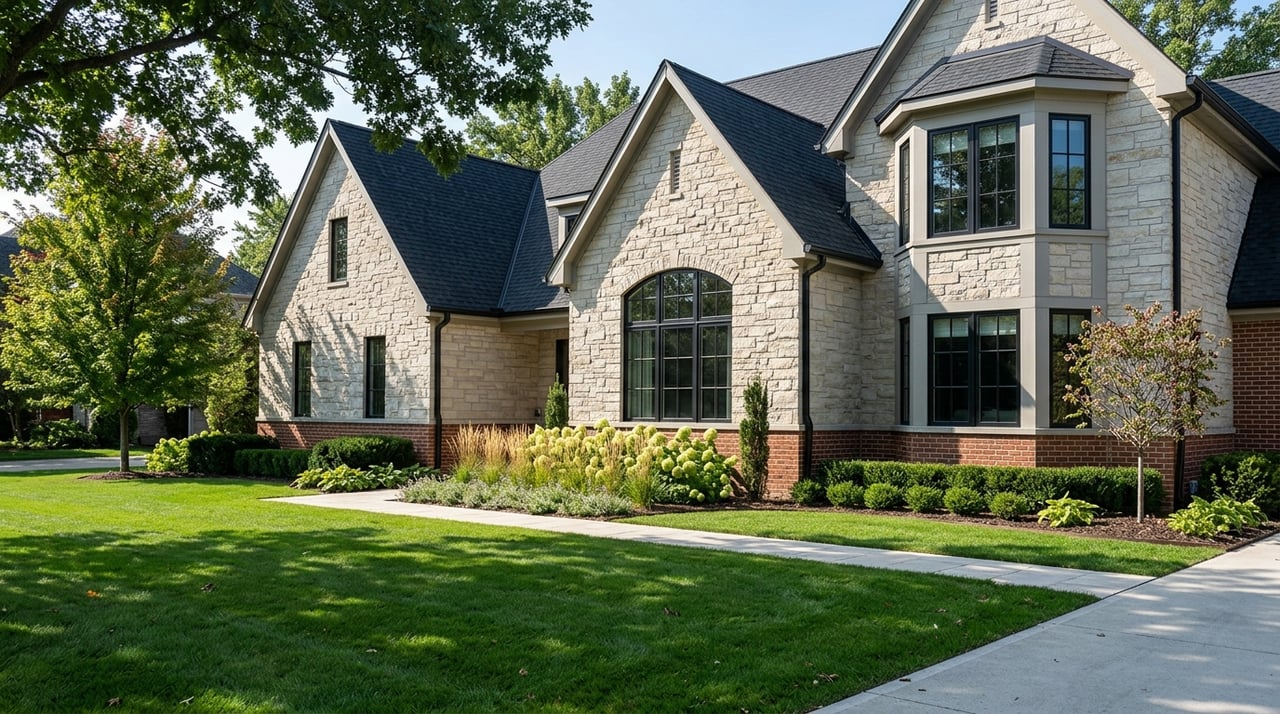
Why Frontenac MO Luxury Living Feels So Distinct
May 28, 2026
May 28, 2026
If you are looking for luxury in St. Louis County, Frontenac stands out for a reason. It offers a rare mix of privacy, polished convenience, and a residential setting that feels intentionally protected rather than overbuilt. For buyers and sellers alike, understanding what sets Frontenac apart can help you see why this small city continues to hold such strong appeal. Let’s dive in.
One of the biggest reasons Frontenac reads as a boutique luxury enclave is that its character is not accidental. The city’s Frontenac 2050 plan, adopted in 2023, describes Frontenac as an aspirational, mostly residential community with distinctive neighborhoods and landscape.
That planning direction matters in real life. The city’s stated policy is to protect residential subdivisions from commercial encroachment while keeping commercial amenities centered on upscale retail, entertainment, and dining. For you as a buyer or homeowner, that helps preserve the quiet, insulated feel that luxury markets often struggle to maintain.
Frontenac is compact, and that is part of its appeal. ACS 2024 5-year data places the city at 3,701 residents across just 2.9 square miles, with 1,197 households.
That limited scale gives Frontenac a more private, tucked-away identity than larger suburban markets. It feels established and selective, with a residential footprint that stays manageable and distinct.
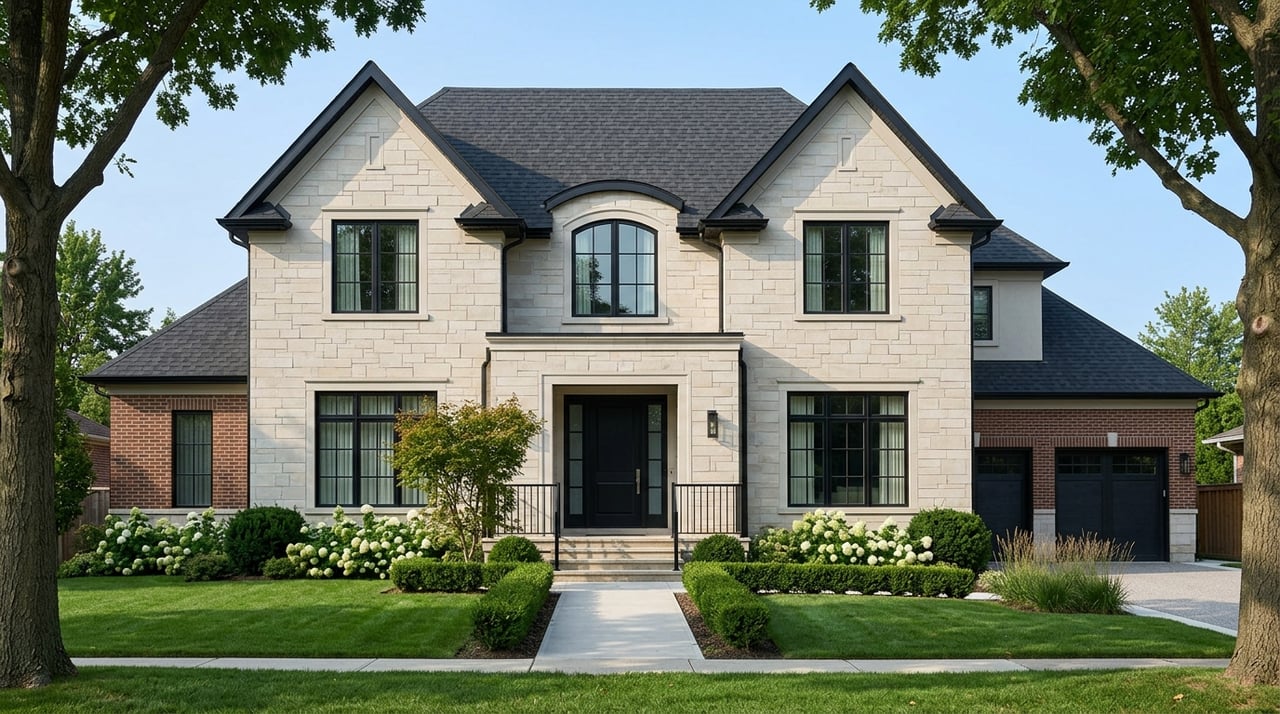
Frontenac’s physical setting reinforces its luxury reputation. The city’s history materials describe a landscape of rolling hills, mature woods, and predominately one-acre lots.
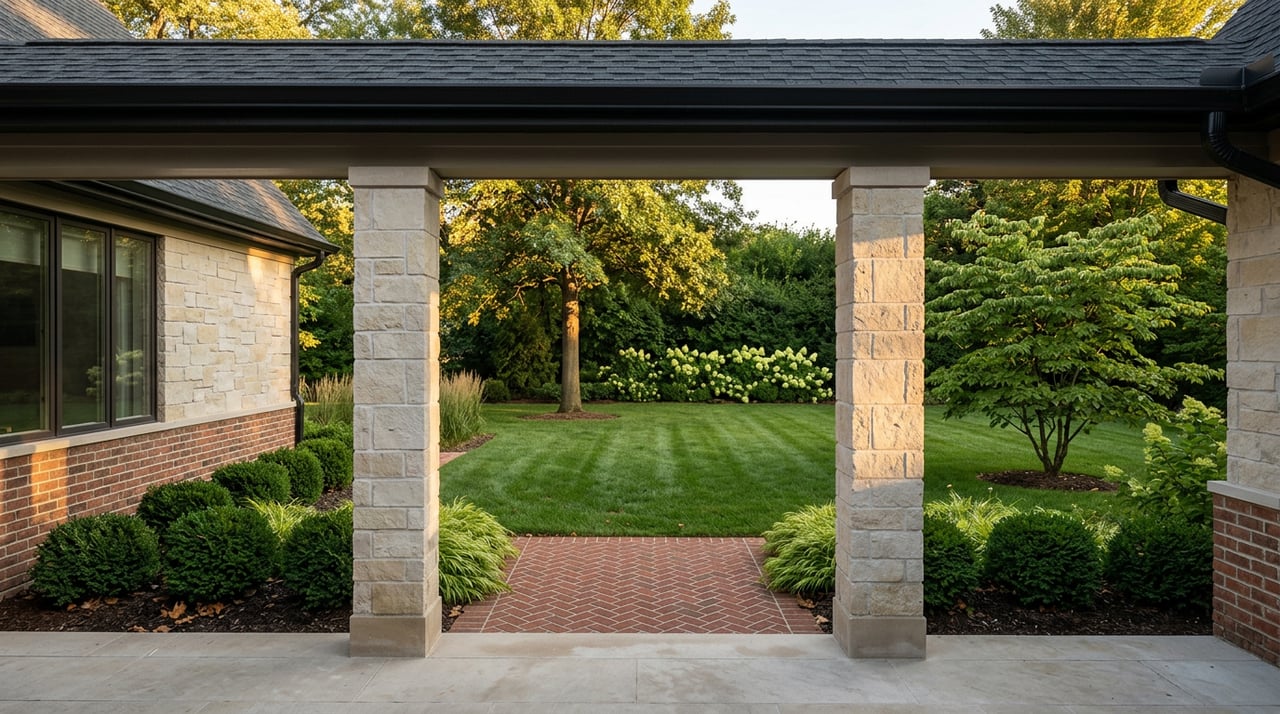
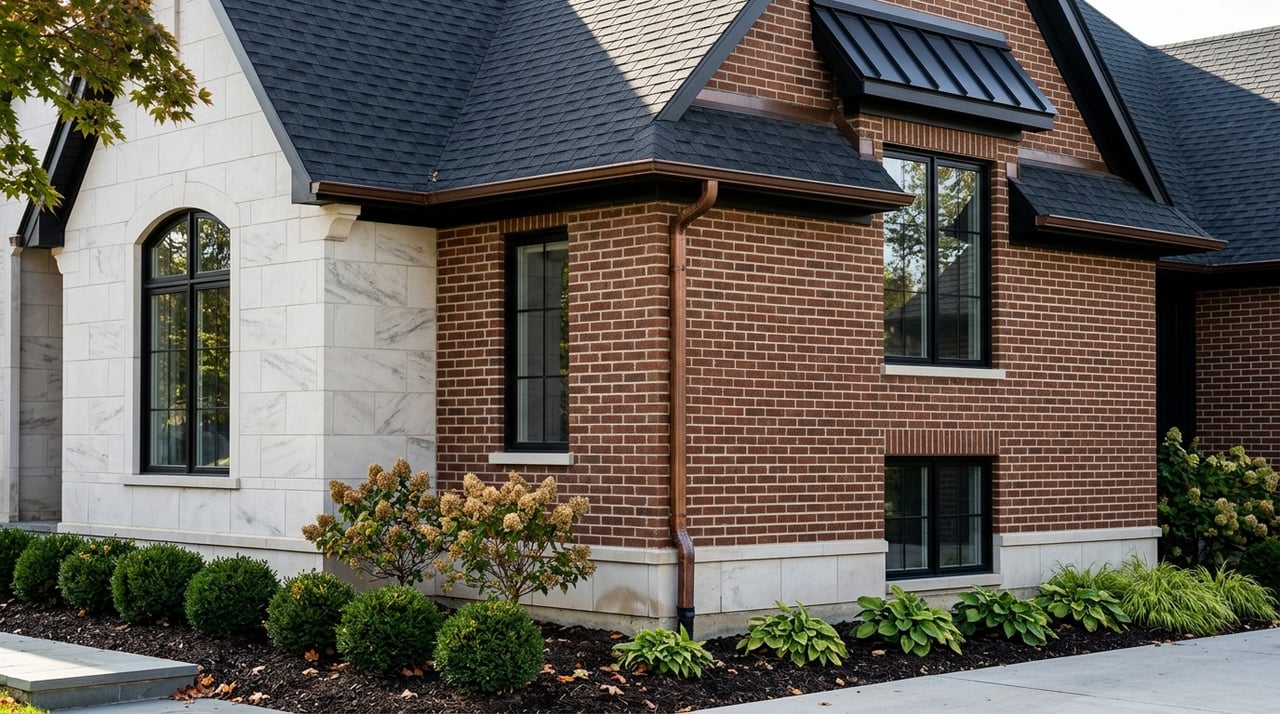
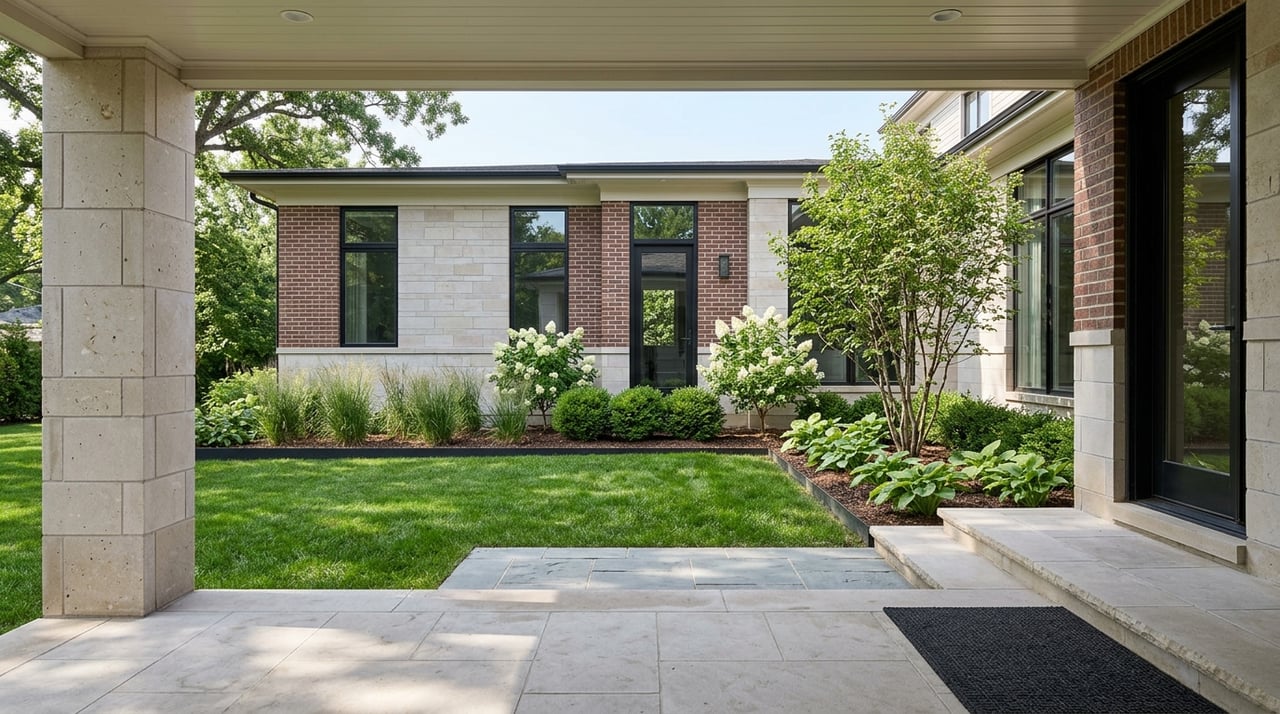
Those lot patterns create visual breathing room that many buyers want but cannot easily find in close-in suburbs. Wider spacing between homes, mature trees, and a landscape-driven layout all contribute to the estate-style atmosphere people associate with Frontenac.
The numbers also back up Frontenac’s place in the upper tier of the St. Louis market. ACS 2024 5-year data reports a median household income of $233,425 and a median owner-occupied home value of $979,800.
Those figures help explain why Frontenac is often discussed as one of the area’s premier residential addresses. They point to a market where buyers are investing in long-term quality, location, and lifestyle rather than simply square footage.
The same ACS profile shows that 80% of adults hold a bachelor’s degree or higher, while the poverty rate is 2%. Together, these indicators reflect a highly established community with enduring demand and a strong ownership base.
Many luxury enclaves offer privacy, but not all of them also deliver this level of convenience. Frontenac combines a residential setting with more than 250 businesses concentrated along the Clayton Road and Lindbergh corridors, according to the city’s Points of Interest page.
The city identifies Plaza Frontenac, Old Frontenac Square, Le Chateau Village, and Frontenac Grove as the main specialty retail nodes. That means you can live in a quiet estate-style setting while still being minutes from high-end shopping, dining, and services.
Plaza Frontenac is a major part of Frontenac’s image. The city calls it the region’s draw for luxury shopping, and the mall’s official home page says it features some of Missouri’s only luxury stores.
Current tenant pages list brands such as Gucci, Saks Fifth Avenue, Neiman Marcus, and David Yurman. In practical terms, that gives Frontenac a level of retail prestige that very few suburban municipalities can claim.
Frontenac’s appeal is not only about where you shop. It is also about how easy it is to enjoy an elevated day-to-day routine close to home.
The food directory at Plaza Frontenac includes Bricktop’s, Brio Italian Grille, Fleming’s Prime Steakhouse & Wine Bar, Karl Bissinger French Confections, and Mariposa. That concentration of recognizable dining options supports the city’s refined but livable identity.
A true luxury location should feel tucked away without feeling disconnected. Frontenac does that well.
The city says Clayton Road, Geyer Road, Spoede Road, and Conway Road are city-owned streets, while portions of Lindbergh Boulevard and Interstate 64 run through the city. The transportation section of the comprehensive plan identifies I-64/Lindbergh and I-64/Spoede as primary access points.
For you, that means Frontenac offers strong regional connectivity while still feeling residential once you are inside its neighborhoods. You can move around St. Louis efficiently without giving up the calm, established setting that defines the area.
Luxury is not only about home size or price point. It is also about how a place is maintained.
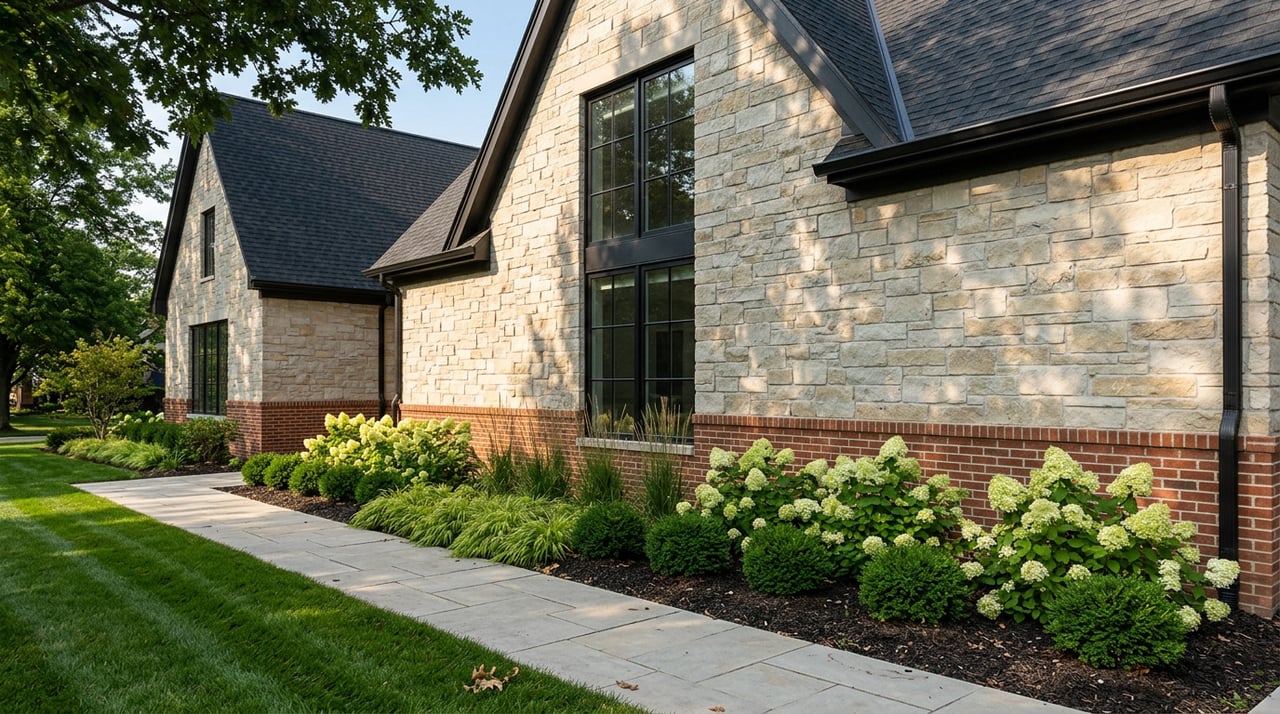
Frontenac’s public works department says it maintains streets, sidewalks, drainage, signage, lighting, traffic devices, public plantings, and municipal buildings. That kind of visible upkeep helps explain why the city often feels orderly, cared for, and consistently polished.
When buyers tour Frontenac, they often respond to the full environment, not just the house itself. Well-kept infrastructure and landscaping support the sense that this is a community where presentation and continuity matter.
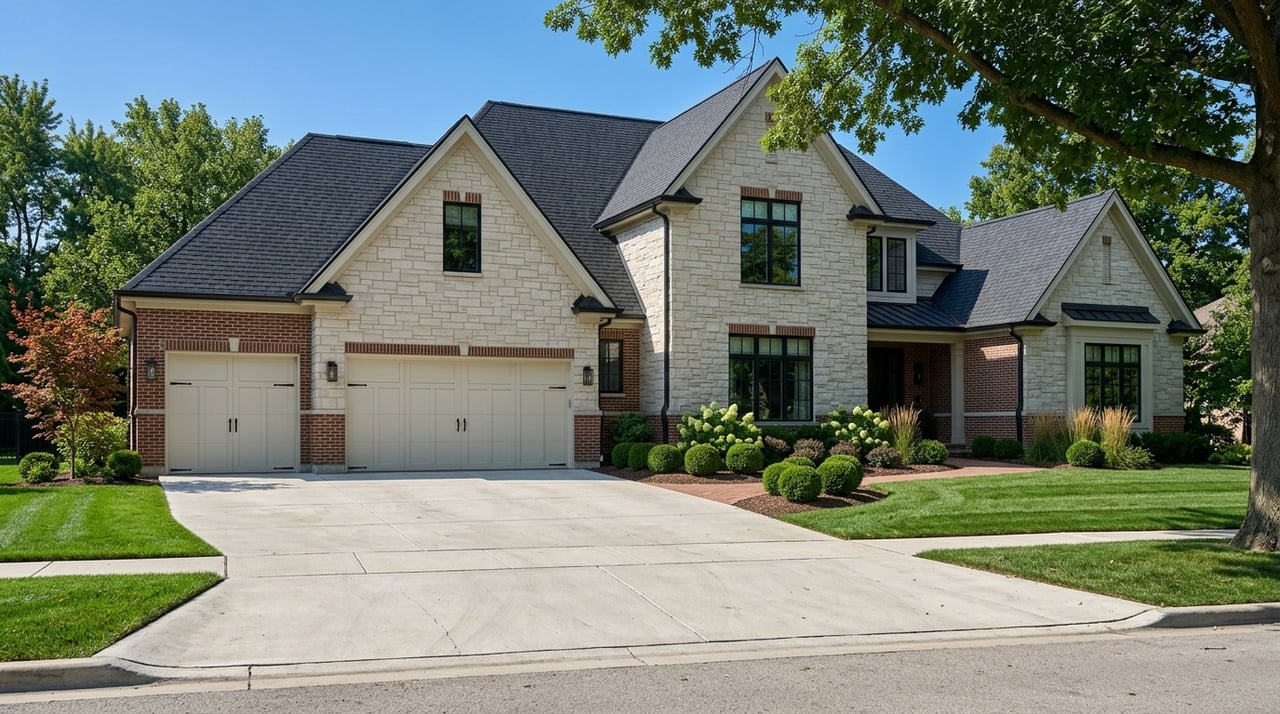
Another reason Frontenac stands out is that it blends an estate-style atmosphere with practical day-to-day livability. You get the visual character of a legacy neighborhood while still having direct access to retail corridors, restaurants, and major roads.
That balance can be hard to find. Some communities offer beauty but feel remote, while others offer convenience but lose the sense of retreat. Frontenac sits in a narrow lane between the two, and that is a large part of its enduring value.
For many buyers, school options are part of how they evaluate long-term fit. The city says most homes in Frontenac are in the Ladue School District, while some homes in the southern portion are in Kirkwood.
The city also notes private schools within Frontenac, including Villa Duchesne, St. Joseph’s Academy, and Oak Hill School. For buyers comparing locations, that range of public and private school access can add flexibility and convenience.
Frontenac’s luxury identity is not new. The city says its name comes from Louis de Buade, Count of Frontenac, and that residents petitioned to become a village in 1947, annexed additional acreage in 1948, and voted to become a city in 1950.
Its history page also describes an equestrian past, including stables and horse trails that once reached land now occupied by Plaza Frontenac. That background still shows up in the area’s sense of space, privacy, and continuity.
In luxury real estate, heritage matters because it shapes perception. Frontenac feels established rather than manufactured, and that difference is part of what makes it so compelling.
When you put everything together, Frontenac offers a rare package. It has limited scale, estate-style lots, mature landscaping, high-end retail, strong access, and a planning framework designed to protect its residential character.
For buyers, that can translate into confidence that the setting will continue to feel special. For sellers, it supports the kind of neighborhood story that helps premium homes stand out in the market.
Frontenac is also a place where details matter. The streetscape, the land patterns, the shopping options, and the city’s planning choices all work together to create a boutique luxury identity that feels both refined and durable.
If you are considering a move in Frontenac, or preparing to position a Frontenac home for sale, the right local guidance can make all the difference. For a discreet, highly personalized approach to buying or selling in Frontenac and across West County, schedule a private consultation with Sandra R Mesker.
Stay up to date on the latest real estate trends.
With a reputation for integrity and results, Sandra Mesker guides you through every step of the process. From first-time buyers to seasoned sellers, Sandra crafts a tailored experience that meets your unique needs and exceeds your expectations.