St Louis City vs Suburbs: Balancing West County Living
April 16, 2026
April 16, 2026
City life can be exciting, but not everyone wants the same pace every day. If you are drawn to St. Louis restaurants, arts, and walkable districts, yet also want more space, easier parking, or a quieter home base, you are not alone. The good news is that in St. Louis, you do not have to think in all-or-nothing terms. You can create a lifestyle that blends city energy with West County living. Let’s dive in.
In St. Louis, the city-versus-county decision is more than a vibe check. St. Louis City has been an independent city since 1876, which means it functions separately from St. Louis County for government and county-type services. You can review that structure on the City of St. Louis government overview.
For you as a buyer, that difference can affect how you think about taxes, services, and district boundaries. It also means broad assumptions are not enough. If you are comparing a city property with a West County home, it is smart to verify the exact details by address.
The data shows a real contrast between the two areas. According to the U.S. Census QuickFacts for St. Louis city, the city had an estimated 279,695 residents in 2024, a median owner-occupied home value of $197,500, and a 45.3% owner-occupied housing rate. The St. Louis County QuickFacts show 992,929 residents, a median owner-occupied home value of $276,800, and a 69.2% owner-occupied housing rate.
That points to a denser urban setting in the city and a more owner-occupied suburban profile in the county. Commute times are actually fairly close on average. The city shows a mean commute time of 22.1 minutes, while the county shows 23.1 minutes, which suggests your day-to-day experience may depend more on where your routine happens than on a simple mileage calculation.
If you love activity, culture, and variety, St. Louis offers that energy in multiple districts rather than in one single corridor. The appeal is not only downtown. It is spread across neighborhoods with distinct personalities and experiences.
Grand Center is described by Explore St. Louis as the region’s epicenter for the arts. If theater, galleries, performances, and events are part of your ideal week, this district can keep you close to the action.
That arts presence also extends into Forest Park’s broader cultural scene, which includes museums, theaters, and regional programming. For many buyers, that access is a major reason city living stays appealing even when they start wanting more room at home.
The Central West End is known for its walkable, mixed-use feel, with dining, coffeehouses, boutiques, live music, and historic homes. If you want the ability to meet friends for dinner or grab coffee without planning your whole evening around driving and parking, this kind of setting can be a real draw.
Other districts bring their own rhythm. Cherokee Street is known for independent businesses, art, music, and Hispanic-owned and -operated bakeries, restaurants, groceries, and shops. South Grand is described as having the most diverse restaurant mix in the city, while The Hill and Soulard are tied to dining, local traditions, and live music.
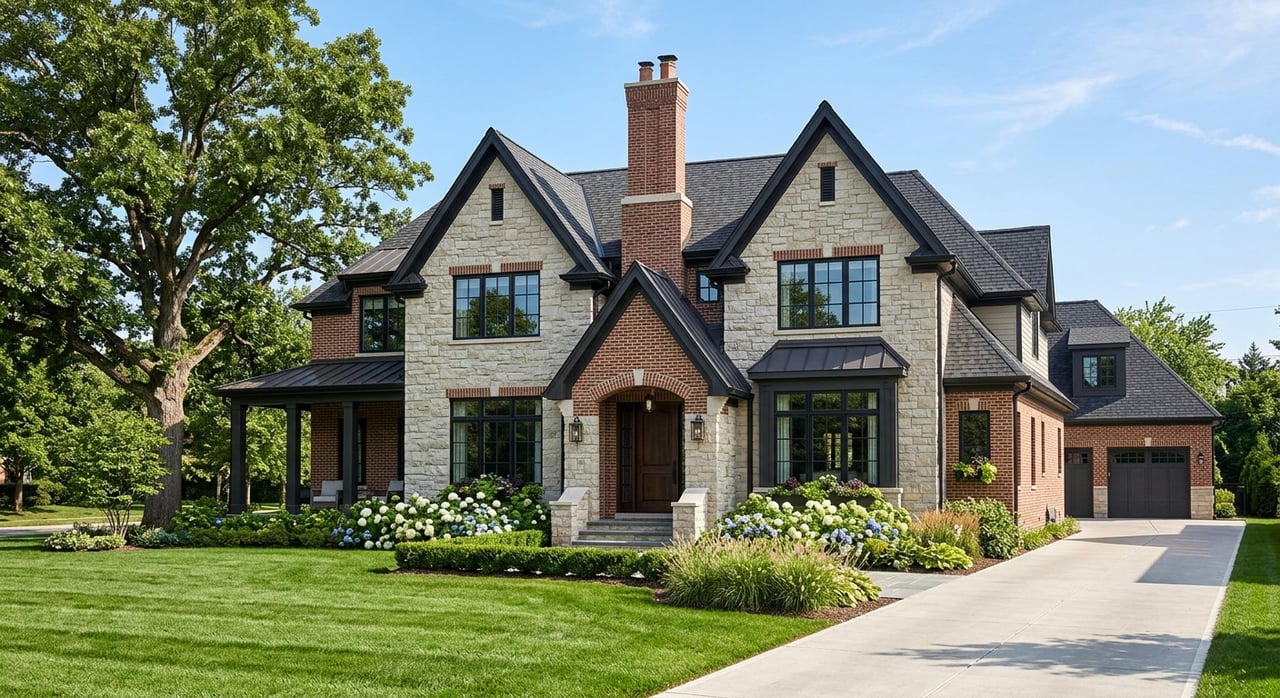
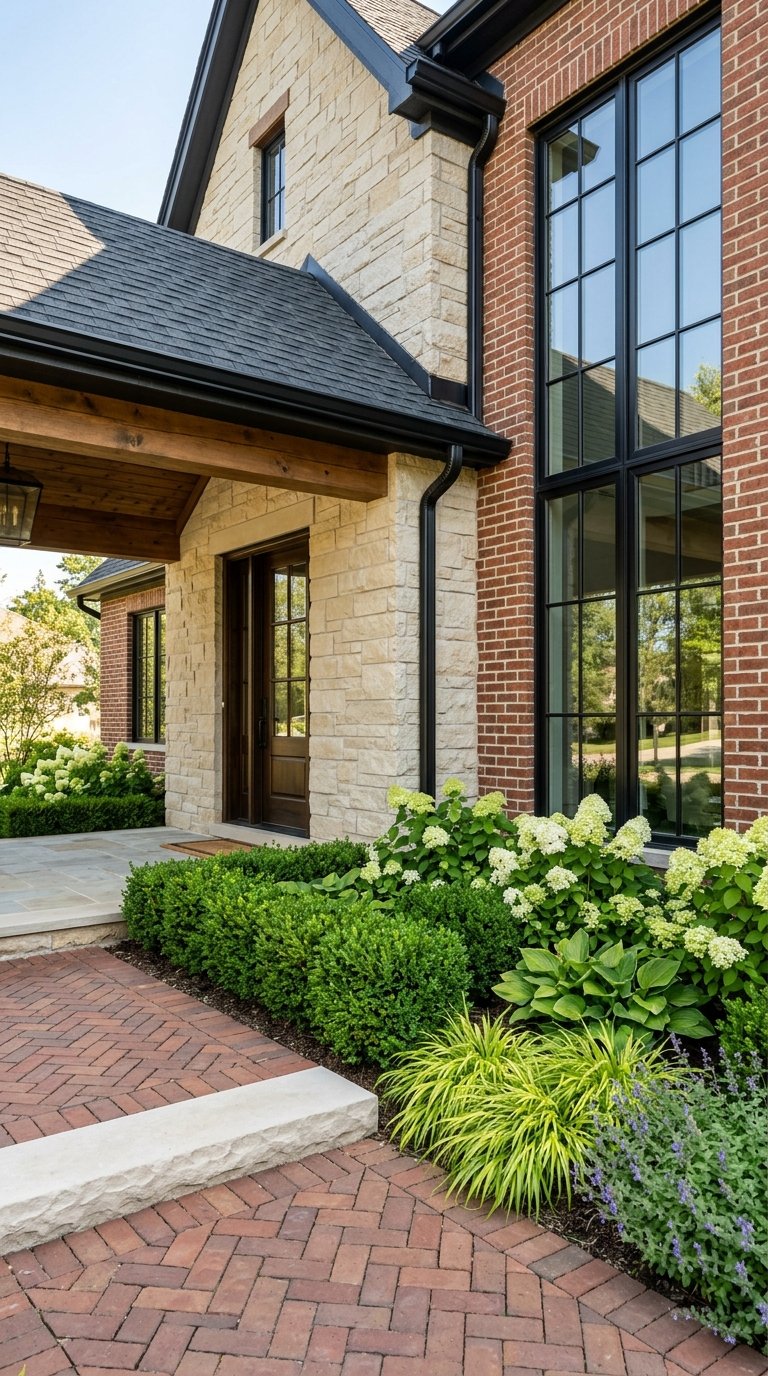
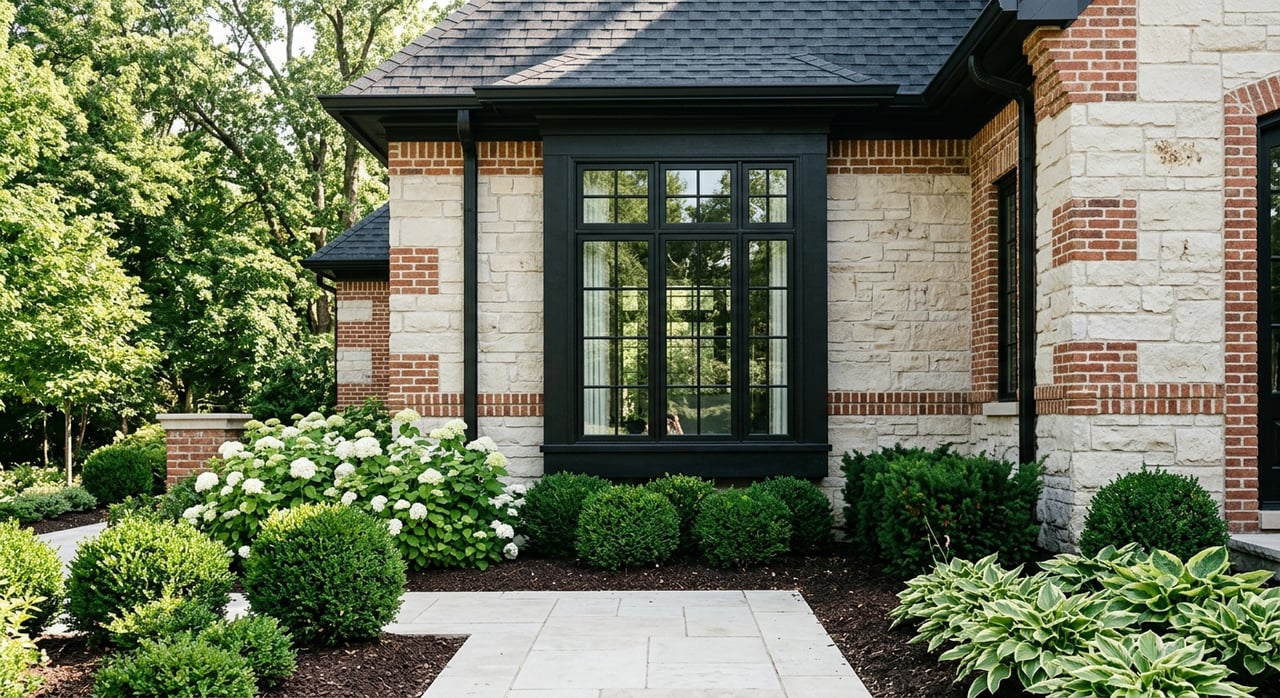
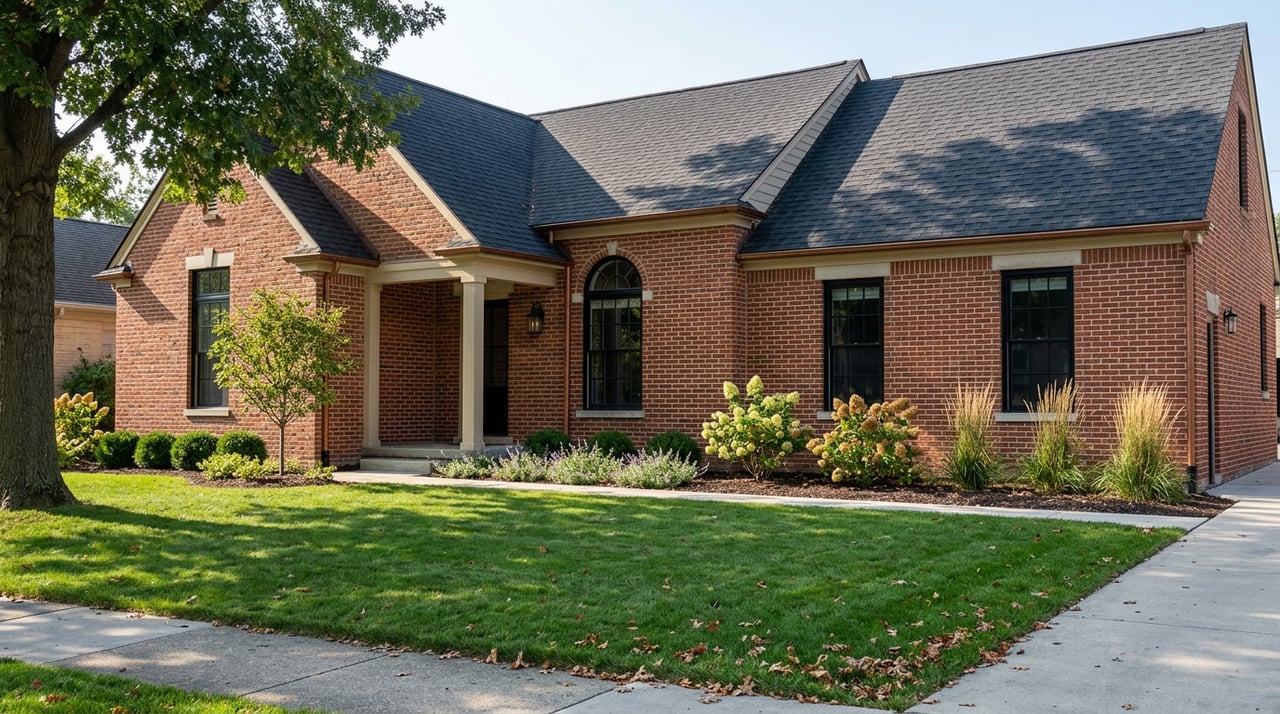
West County is not one-size-fits-all. The area includes a range of municipalities, each with its own feel, housing stock, and amenities. What many buyers appreciate is the combination of space, recreation, and a more home-centered daily routine.
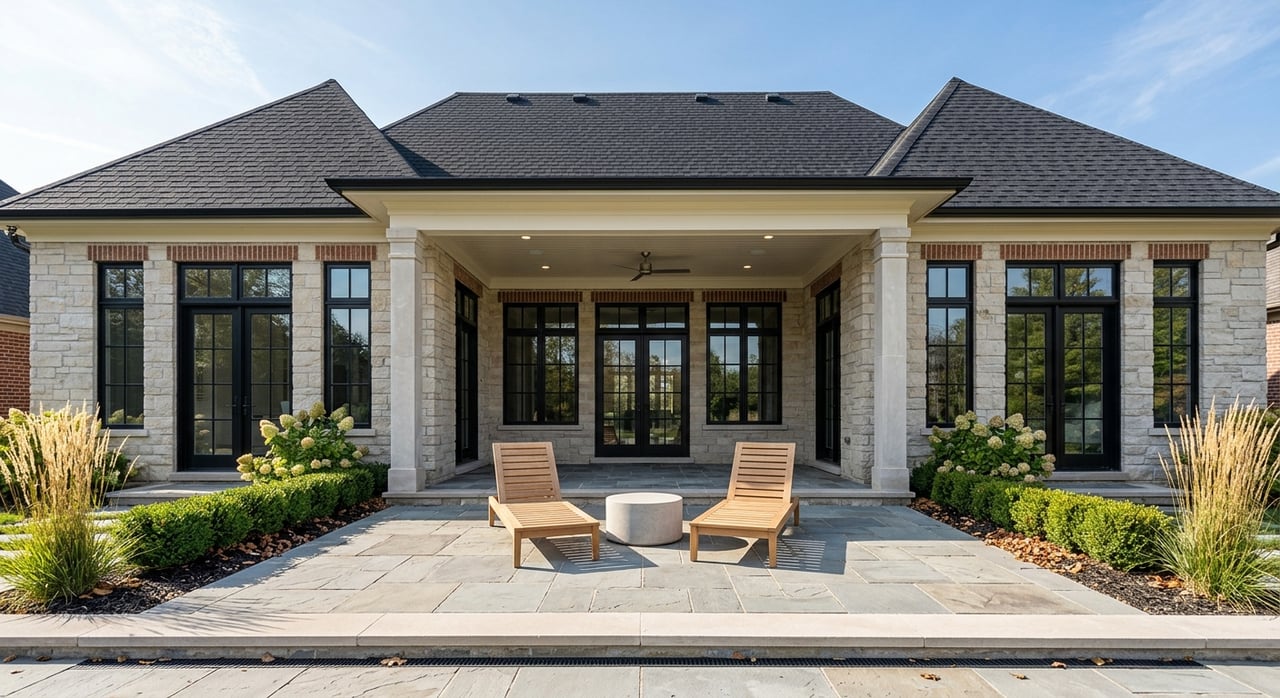
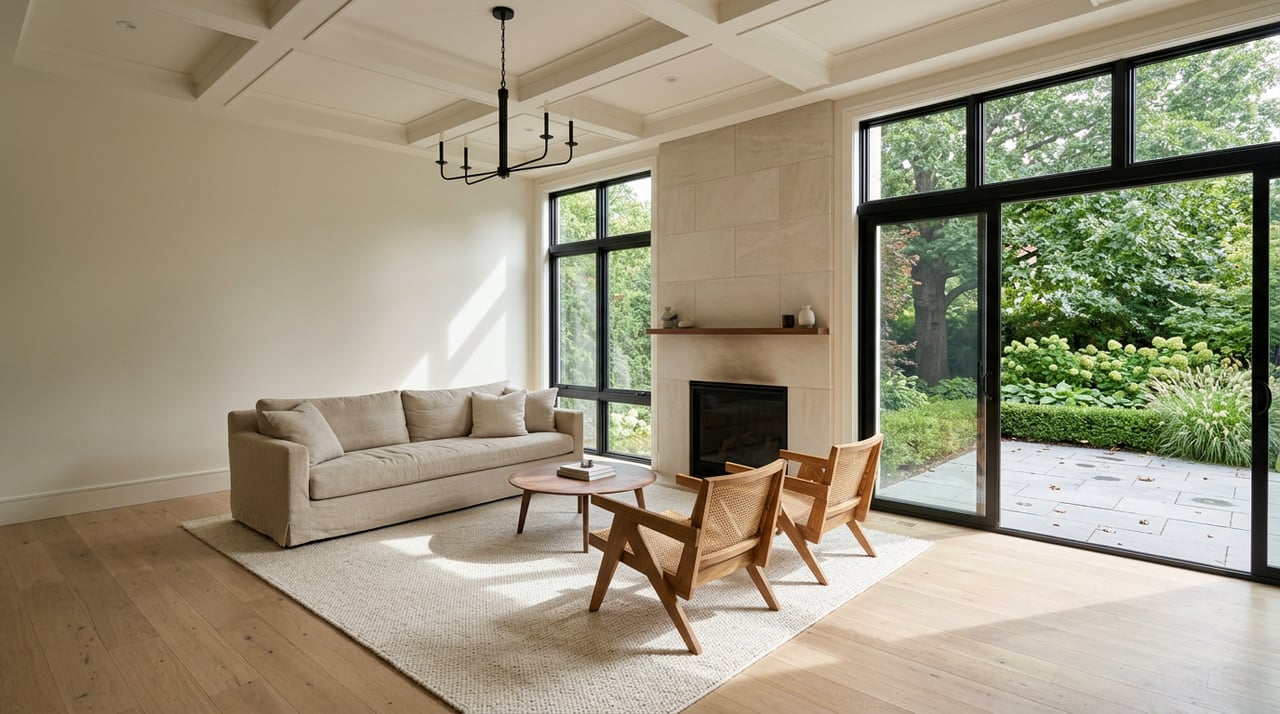
For some buyers, the biggest benefit of West County is simple: more room to live. That may mean a larger lot, more interior square footage, easier guest parking, or a layout that better supports work-from-home life, entertaining, or multigenerational needs.
Explore St. Louis highlights Ladue for tree-lined streets, grand estates, and quiet luxury. That makes it a different kind of lifestyle than a city condo or townhouse, even if you still plan to spend part of your week enjoying city dining and cultural destinations.
West County also appeals to buyers who want built-in recreation options close to home. Kirkwood notes its historic train station, downtown shops and restaurants, more than 300 acres of park land, and full-service municipal utilities. Des Peres highlights parks and recreation programs, while Chesterfield pairs suburban scale with entertainment options like Central Park, The Factory, Topgolf, the Butterfly House, and 4 Hands at The District.
If your ideal weekday ends at home rather than out on the town, those features can have a big effect on how well a location fits your lifestyle. You may still enjoy city events often, but your day-to-day routine may feel easier from a West County base.
The best move is usually not choosing the “better” side. It is choosing the setup that best supports how you actually live. A clear decision framework can help.
Think about where your time naturally goes now, not just what sounds appealing during a home search. Ask yourself:
If you are out several nights a week, being closer to city districts can reduce friction. If you are more home-centered and space-sensitive, a suburban profile may serve you better.
It is easy to focus on distance, but the better question is how often your household crosses the city-county line. Chesterfield sits about 25 miles west of downtown along I-64. MetroLink’s Blue Line serves the city and inner-county corridor, and West St. Louis County also has a Via microtransit zone connecting to Ballas Transit Center.
That means your transportation picture may be more nuanced than “close” or “far.” If most of your work, dining, and social plans happen in one area, average commute stats may matter less than the shape of your weekly pattern.
For some buyers, the answer is not choosing one lifestyle over the other. It is creating a blend. The research suggests that a lower-maintenance city condo paired with a larger suburban base can be a practical framework rather than an unusual exception.
That approach may appeal if you want city access without making urban living your full-time default. It can also work well if your priorities are changing and you want flexibility as your household needs evolve.
No matter which direction you lean, specific property details matter. Because St. Louis City is an independent jurisdiction and some West County municipalities operate as full-service cities, it is important to confirm address-level information rather than relying on broad assumptions.
Key items to verify include:
Those practical details can shape your ownership experience just as much as square footage or style. A polished home in the right setting feels even better when the logistics behind it also match your expectations.
Balancing St. Louis city energy with West County living is really about clarity. When you know whether you value walkability, cultural access, space, recreation, or a quieter home base most, the right path becomes easier to see. In many cases, the winning choice is not the trendiest one. It is the one that makes your everyday life work better.
If you are weighing neighborhoods, comparing lifestyle tradeoffs, or looking for a more tailored path into the West County market, Sandra R Mesker offers a private, high-touch approach grounded in local insight and personalized guidance.
Stay up to date on the latest real estate trends.
With a reputation for integrity and results, Sandra Mesker guides you through every step of the process. From first-time buyers to seasoned sellers, Sandra crafts a tailored experience that meets your unique needs and exceeds your expectations.