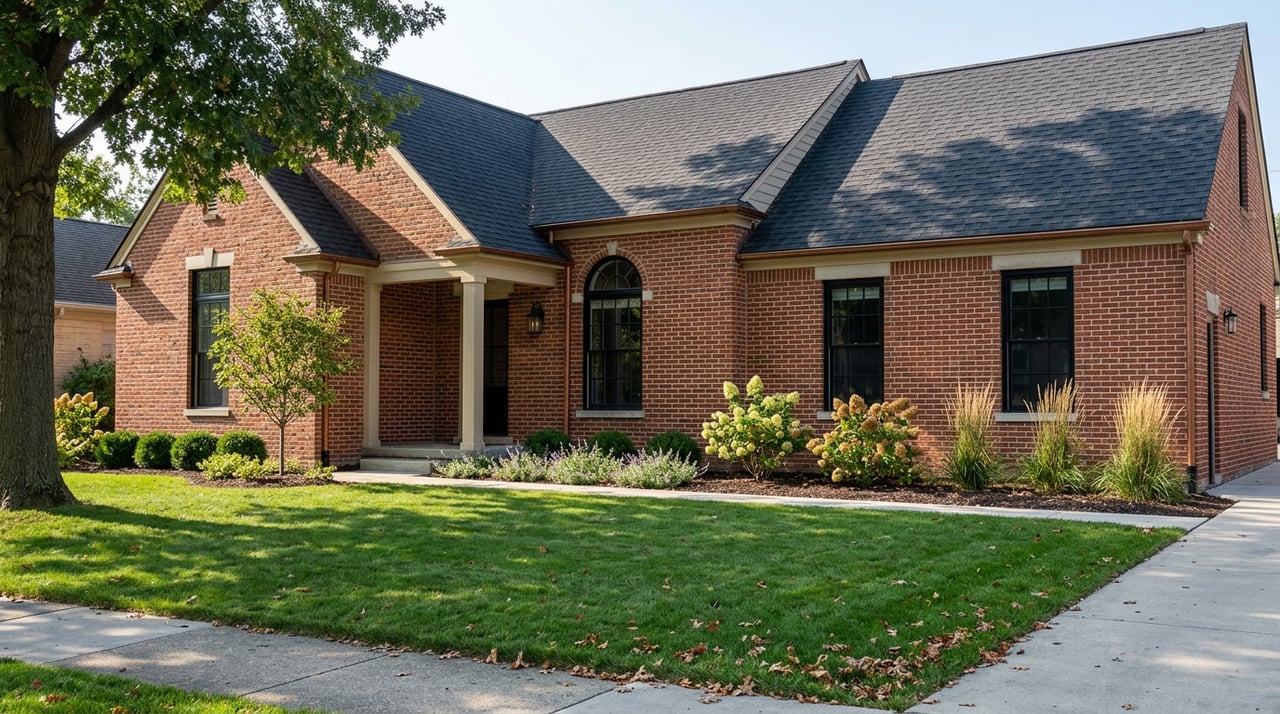
Kirkwood Historic vs New Homes: How to Decide
March 5, 2026
March 5, 2026
Thinking about buying in Kirkwood and torn between the charm of a century-old porch and the ease of a brand-new build? You are not alone. Many buyers love the tree-lined streets near Downtown Kirkwood yet want modern systems, energy savings, and fewer surprises. This guide walks you through the practical tradeoffs, local rules, costs, and lifestyle differences so you can buy with confidence. Let’s dive in.
Kirkwood’s historic core grew around the 1853 railroad depot, and the city takes preservation seriously. You will find designated landmarks and several local and National Register districts near downtown, all supported by active local oversight and design guidance from the city’s Landmarks Commission. You can learn more about the city’s preservation framework on the official page for historic preservation in Kirkwood.
Architectural styles span Greek Revival, Italianate, Late Victorian, Queen Anne, Colonial Revival, Craftsman and Bungalow forms, plus mid-century builder styles in later neighborhoods. The city’s design guidelines and nomination documents outline these eras and forms in detail, including how they are evaluated during review. For a deeper dive into style periods and review standards, see the city’s historic district design guidelines.
Lot sizes vary by block. Some of the oldest areas were once platted with larger lots and have mature tree canopies, while later subdivisions and infill lots can be smaller. Historic district documentation notes these larger-than-average parcels in places east of downtown. You can see an example of this context in a National Register nomination file in the National Park Service archive.
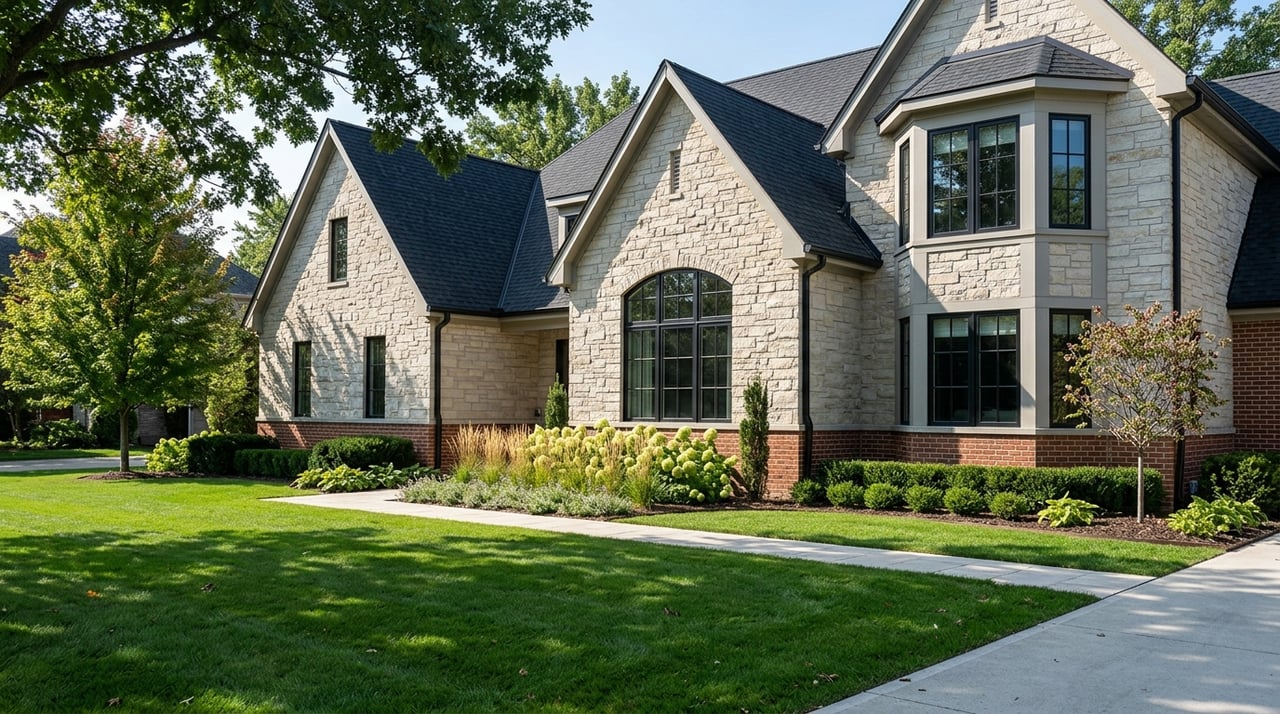
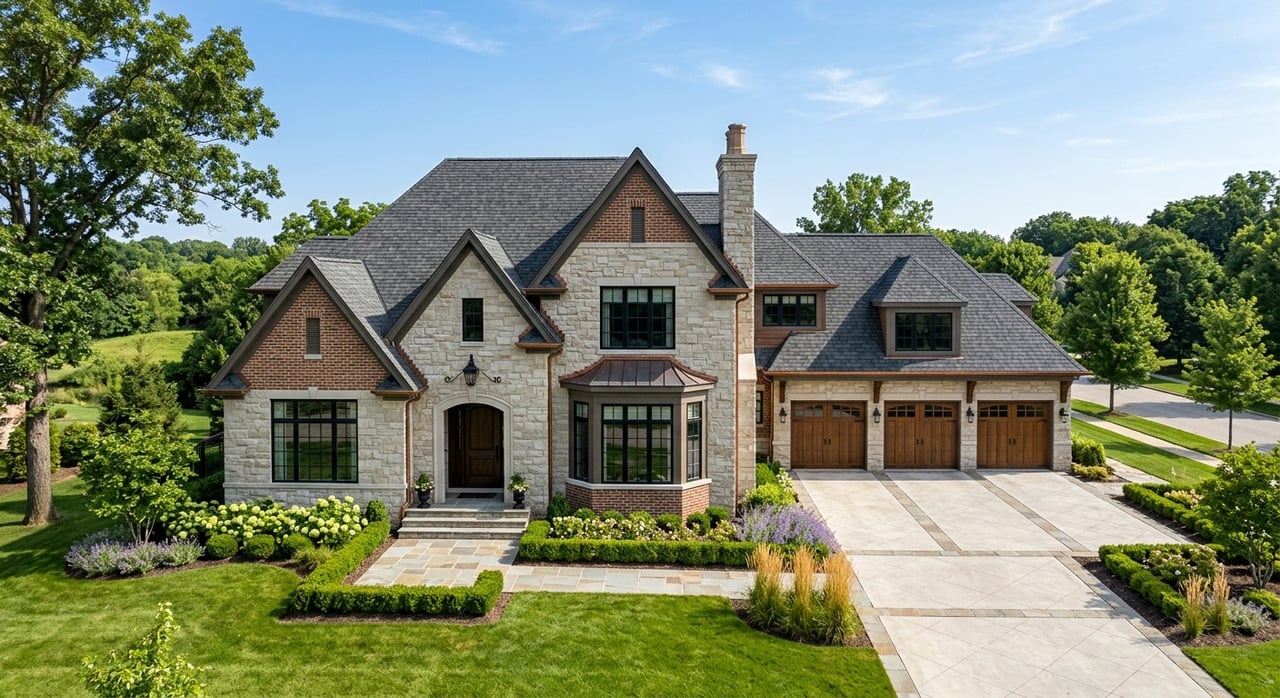
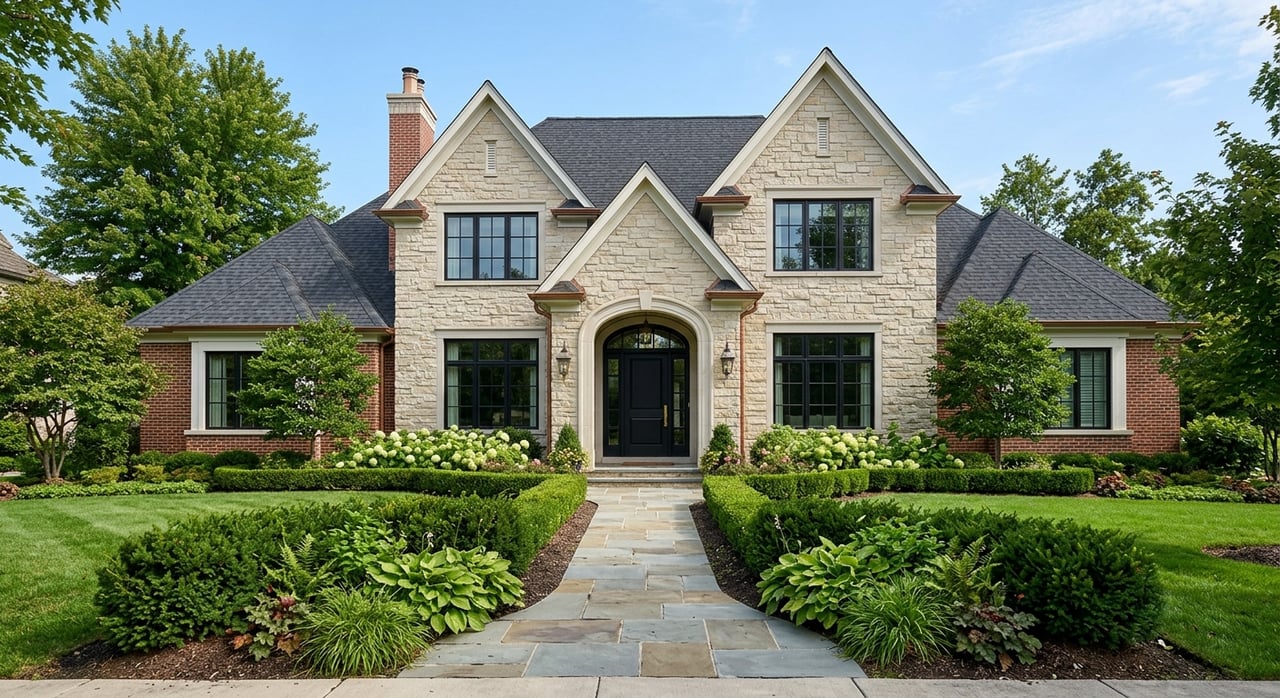
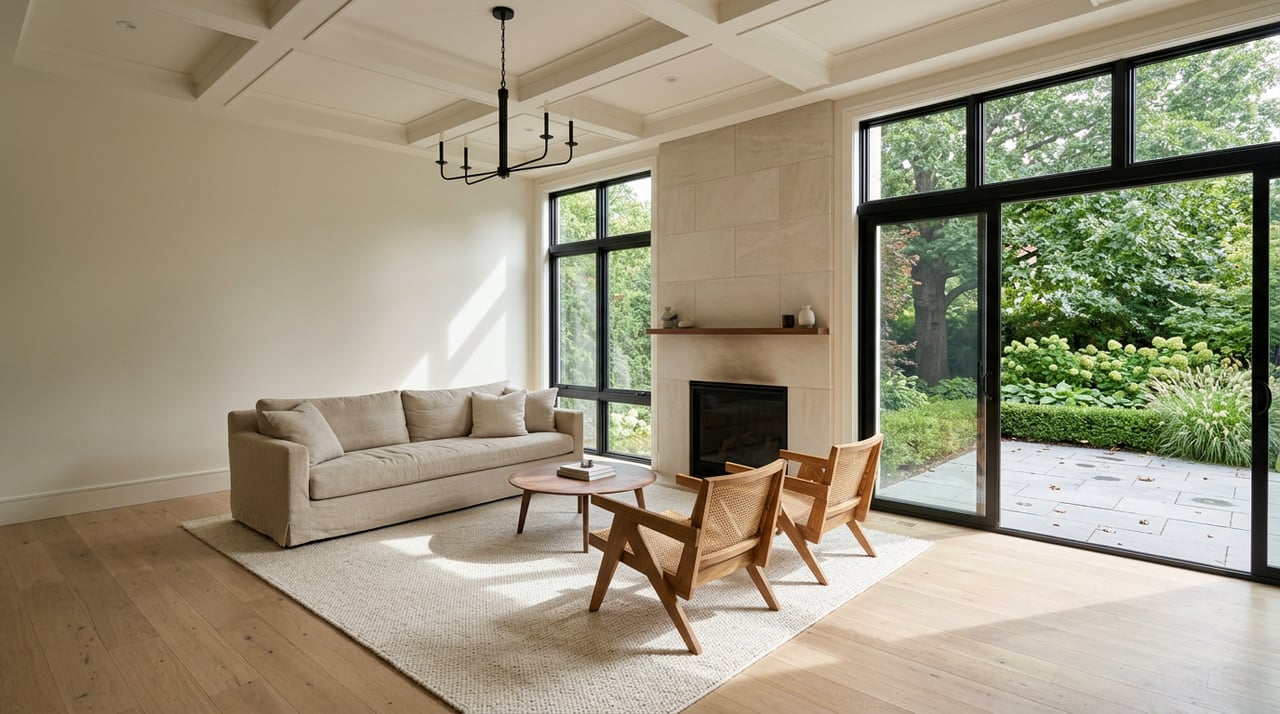
In Kirkwood, most new construction is infill. That often means a teardown and custom build on an existing lot, small-lot subdivisions outside local historic districts, or replacement of older homes with larger additions or new homes. New builds frequently deliver open floor plans, first-floor suites, two- to three-car garages, modern mechanicals, and builder warranties.
When new construction is proposed inside a local historic district, it is reviewed for compatibility with the block. The Landmarks Commission considers elements like rooflines, eave width, window proportions, and exterior materials. New homes are allowed, but they must fit the surrounding context. You can preview how these decisions are made in the city’s design guidelines.
Energy performance is another strong point for new builds. Homes constructed to modern code or ENERGY STAR standards are commonly 15 to 30 percent more energy-efficient than older, unretrofitted homes. Ask builders for HERS ratings, equipment specs, and any utility estimate sheets to compare operating costs. For background on efficiency gains, review the EPA’s summary on ENERGY STAR and new-home performance.
Buying a designated landmark or a home inside a local historic district comes with important process steps. Kirkwood requires a Certificate of Appropriateness for demolition, exterior alterations, and new construction on locally designated sites. The Landmarks Commission can also impose an automatic stay of demolition for a set period while alternatives are explored. These steps can affect timing and scope, so you will want to plan accordingly. The city’s design guidelines and Landmarks procedures outline what triggers review and how compatibility is evaluated.
Note the difference between National Register and local designation. National Register status is honorary and does not, by itself, control demolition or require design review. Local designation is what carries regulatory requirements. That said, National Register status can open the door to rehabilitation incentives when program criteria are met. For an overview of state and federal incentives, consult the St. Louis city portal’s summary of historic preservation tax credit programs, including Missouri’s 25 percent state credit and the federal credit for income-producing properties.
If you plan exterior work, budget time for the sequence of preliminary review, public meetings when required, and final certificates before permits are issued. Kirkwood’s Architectural Review Board and Landmarks Commission run public schedules, and applications move through an online portal.
Every home needs care, but older properties can have wider cost ranges. A common rule of thumb is to budget about 1 to 4 percent of a home’s value per year for maintenance and minor repairs, with the higher end more likely in older homes or those with deferred work. Major systems have typical lifespans: roofs often last 15 to 30 years, HVAC 10 to 20 years, and water heaters 8 to 12 years. Use your inspection report to prioritize urgent items and build a realistic first-year plan. For a plain-language overview of maintenance planning, see this summary on budgeting for home upkeep and system lifespans.
Not all projects return the same value. Industry analyses show exterior updates such as garage doors, siding, and windows often recoup a higher percentage of cost at resale than some high-end interior remodels. Historic buyers should focus first on the envelope and systems like roof, siding, drainage, electrical, and HVAC before tackling cosmetic changes. For data-backed trends, review Kiplinger’s summary of home upgrades that tend to pay off.
Insurance can differ by age, too. Policies for older homes can be more expensive when dated wiring, plumbing, or roofing is present. Get quotes early in your search and compare scenarios across home types so insurance does not surprise your budget. For context on how carriers view older construction, The Zebra’s guide on insuring older homes is a helpful primer.
Health and safety testing should be part of due diligence for older homes. Federal rules require lead-based paint disclosure for homes built before 1978 and provide buyers with a 10-day period to test for it if they choose. Radon is also important to test in the region, and many buyers add sewer scope and targeted asbestos checks when appropriate. See the EPA’s overview of lead-based paint disclosure rules to understand your rights and timelines.
Historic streets near Downtown Kirkwood offer a village-like feel and proximity to the train station, farmers market, restaurants, parks, and community events. You may trade a bit of private yard space or garage size to gain that walkable lifestyle. Newer builds often deliver the opposite equation: more modern floor plans and garage capacity, newer systems, and energy savings, sometimes on smaller or newly created lots and often a bit farther from the most walkable blocks. Lot size and tree cover vary widely by street across the city, so evaluate each block rather than assuming a uniform pattern.
Use this side-by-side lens to match your priorities with the right home type.
Character and walkability
Project flexibility
Energy and operating costs
Maintenance visibility
Timeline certainty
Regulatory oversight
Below is a focused set of questions and documents to request so you can compare homes apples-to-apples.
You have great options in Kirkwood. If you love period detail and a walk-to-downtown lifestyle, a historic home near the core may be your fit. If you want turnkey systems, better efficiency, and a modern layout, a new build or recent infill might be right. Either way, match your priorities to the property type, verify the rules that apply on that block, and build a clear plan for costs and timing.
When you are ready to talk through neighborhoods, upcoming listings, and what to expect block by block, connect with Sandra R Mesker to schedule a private consultation. You will get a clear, local strategy plus the concierge support to execute it with confidence.
Stay up to date on the latest real estate trends.
With a reputation for integrity and results, Sandra Mesker guides you through every step of the process. From first-time buyers to seasoned sellers, Sandra crafts a tailored experience that meets your unique needs and exceeds your expectations.