What Living in University City MO Feels Like Day to Day
May 7, 2026
May 7, 2026
If you want a St. Louis area community with personality, University City stands out quickly. You get arts, dining, parks, and a residential feel that is more layered than many buyers expect. Whether you are exploring a move or simply trying to understand the area better, this guide will help you see how University City fits together day to day. Let’s dive in.
University City is an inner-ring suburb of St. Louis with a strong identity shaped by culture, connectivity, and a wide mix of housing and commercial areas. According to city and Census sources, about 34,349 people live here across 5.88 square miles, creating a more connected, active feel than a lower-density suburb.
The city describes itself as a place of diversity, learning, and culture, and that shows up in how the community is planned and experienced. Its 2024 comprehensive plan highlights connectivity, housing quality and variety, and mixed-use nodes of activity, which helps explain why University City feels like more than a single residential pocket.
For many people, the Delmar Loop is the first thing that comes to mind when they think about University City. The city describes it as an eclectic mix of restaurants, galleries, specialty shops, and the restored Tivoli Theater, and notes that it was designated one of the country’s Great Streets.
This corridor gives University City a lively, walkable identity. It is not just a place to grab dinner. It is also a destination tied to arts, local culture, and everyday activity.
The Delmar Loop is home to the St. Louis Walk of Fame, where stars and plaques are embedded in the sidewalks. The Walk is located at the Delmar Loop MetroLink stop and sits close to Forest Park and Washington University, which adds to the area’s regional pull.
COCA also has a campus in the University City Loop just off Delmar, with a 450-seat theatre and studio space. Beyond the Loop, the city’s Municipal Commission on Arts and Letters helps guide artistic, cultural, and scholarly development, and City Hall includes murals dating back to 1903.
One of the biggest lifestyle advantages in University City is food variety. The Delmar Loop offers a wide mix of restaurants and specialty spots, giving you options for casual meals, nights out, and places that feel local rather than interchangeable.
That variety extends beyond one corridor. If you like living near established commercial districts with recognizable character, University City offers more range than a place built around a single shopping center.
Olive Boulevard is the other major commercial spine in University City, and it adds another dimension to daily living. The city says Olive includes ethnic groceries, small professional offices, and a broad restaurant mix with Japanese, Italian, Chinese, Korean, and Vietnamese options.
For buyers, that matters because it broadens what convenience looks like. You are not limited to one commercial district for dining or errands, and the international flavor along Olive gives this part of University City a distinct local rhythm.
Current city redevelopment materials identify the Olive and Interstate 170 area as a major reinvestment zone. Plans call for added retail, restaurants, apartments, offices, and hospitality uses, while substantial redevelopment along Olive must follow city design guidelines.
That does not mean every block changes at once. It does suggest continued investment in an already important corridor, which is worth noting if you value a neighborhood with both established character and visible momentum.
University City is not only about commercial corridors. Its parks system plays a big role in how residents spend time outdoors and how neighborhoods connect.
The parks department says the city maintains 21 parks totaling about 260 acres, along with 8 miles of trails, 3 splash pads, and more than 30,000 trees lining streets and parks. That amount of green space supports a lifestyle that can feel active and convenient at the same time.
Heman Park is the city’s largest park and one of its best-known recreation anchors. It includes a pool, splash pad, Centennial Commons, a community center, picnic areas, fields, courts, and a jogging course.
For many buyers, amenities like these help define how a place feels beyond the front door. They create opportunities for exercise, community events, and simple weekend routines close to home.
Smaller parks add flexibility across the city. Lewis Park sits near Delmar and Yale, Ackert Park includes a linear walkway and splash pad, Flynn Park offers tennis and pickleball courts, Fogerty Park has a playground and sprayground, and Millar Park includes fields and a jogging trail.
Ruth Park Woods adds another experience entirely. This 23-acre wooded tract features interpretive nature trails and sits beside the 9-hole Ruth Park Golf Course, giving University City a quieter outdoor option alongside its more active parks.
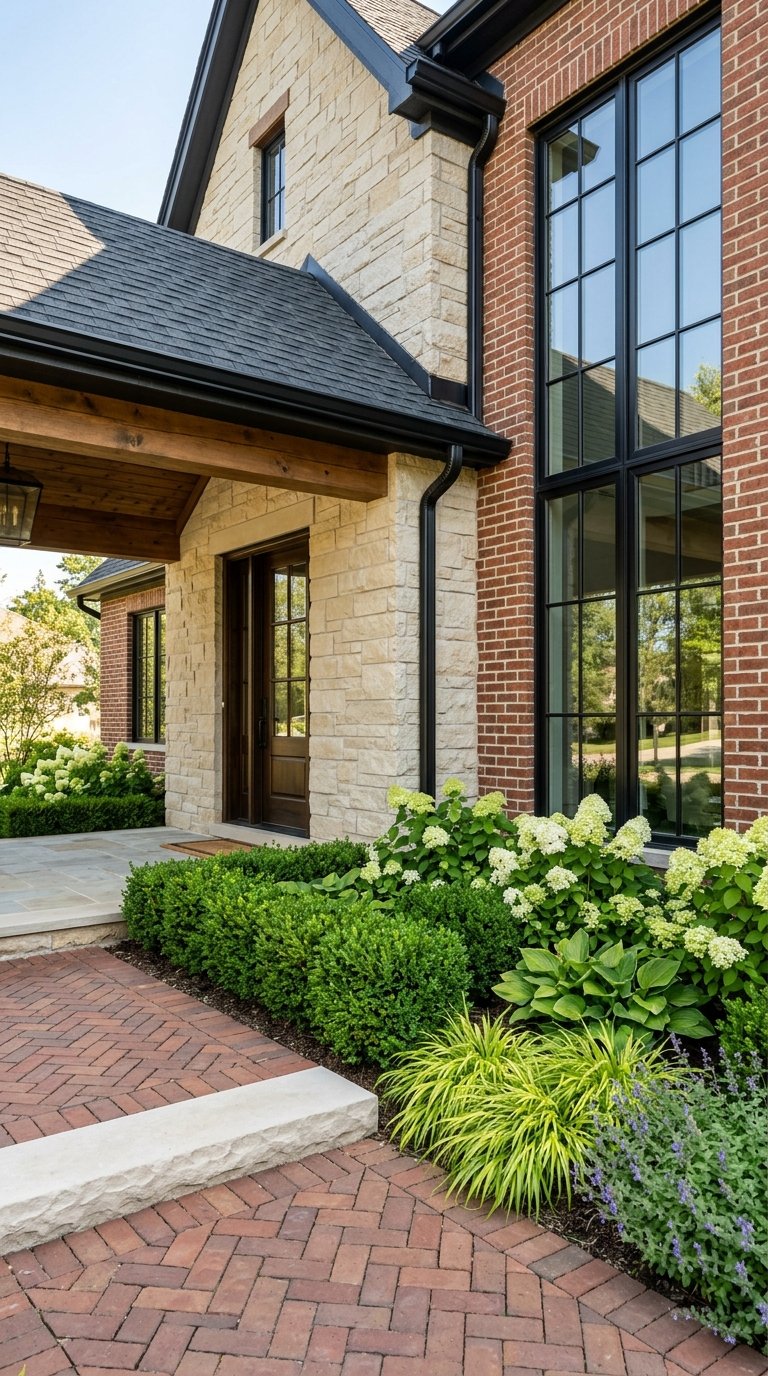
A major part of University City’s appeal is that it does not read as one-note. The city says the community was shaped by City Beautiful-era planning and still reflects architecturally distinct housing, inviting streetscapes, and well-planned neighborhoods.
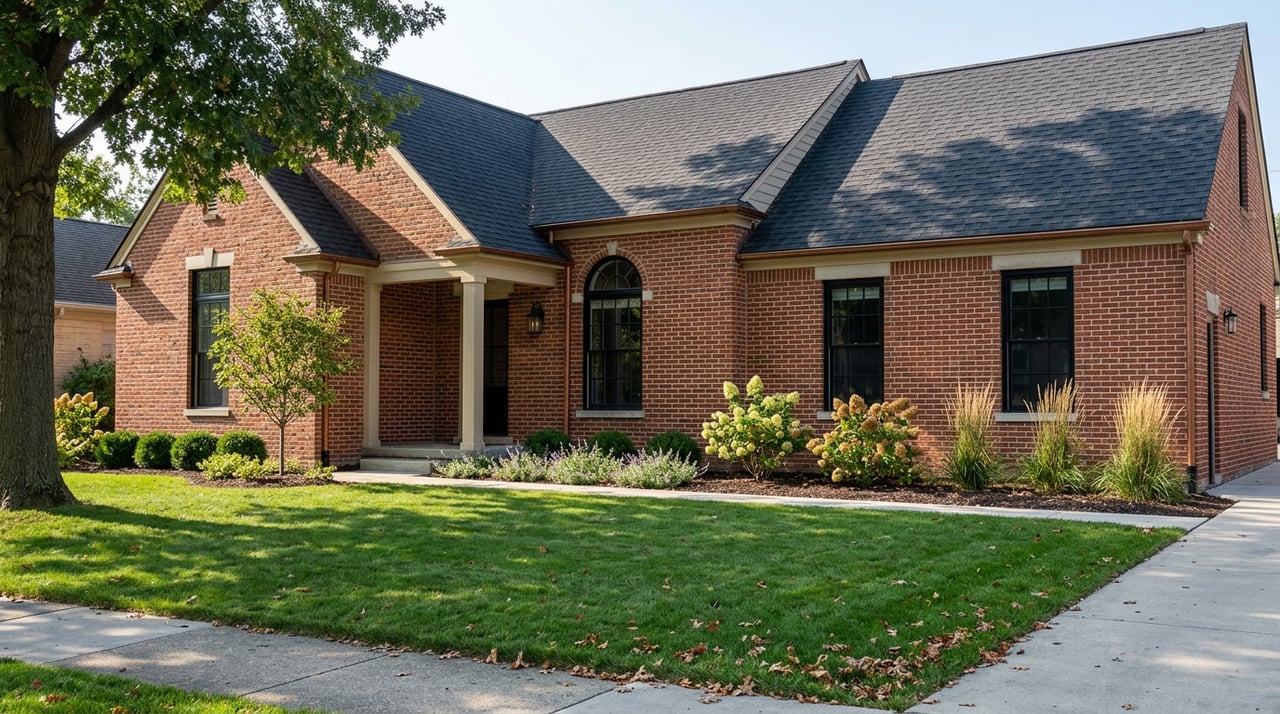
The housing stock itself is varied as well. According to the mayor’s welcome, homes range from modest bungalows to historic mansions, along with single-family, multi-family, and apartment options.
City planning documents suggest a patchwork of residential areas rather than a single uniform product type. The area north of Olive is described in redevelopment materials as predominantly residential, with attention on housing rehabilitation, homeownership, and stabilization, while Olive itself functions more as a commercial corridor.
That distinction matters when you are choosing where to focus your search. In University City, one section may feel more residential and quiet, while another places you closer to shopping, restaurants, and transit.
Current Census indicators support that mixed housing base. About 56.2% of housing units are owner-occupied, the median owner-occupied home value is $306,700, and median gross rent is $1,319.
Those numbers reinforce the idea that University City serves more than one type of resident. If you are buying, that can be appealing because it points to a community with varied price points, building styles, and living arrangements.
University City works well for people who want access, not isolation. The Delmar Loop is directly tied to MetroLink, and city materials note that University City was one of the region’s first suburban interfaces to the rail system.
That regional connection supports the area’s appeal. You can enjoy arts, dining, parks, and local character while still benefiting from straightforward access to other parts of the St. Louis area.
University City can make sense for a range of buyers because it blends cultural energy with established residential streets. You may want to take a closer look if you are drawn to:
It can also appeal to buyers who want a suburb that feels less uniform. Instead of one central lifestyle pattern, University City offers several, which is often part of its charm.
If you plan to explore University City in person, pay attention to how each area functions throughout the day. Some sections center on residential character and tree-lined streets, while others are shaped by walkable retail, arts venues, and restaurant traffic.
It also helps to compare how close you want to be to Delmar, Olive, parks, and transit. In a place with this much variety, your ideal location often comes down to the rhythm you want in your daily routine.
If you are considering a move in or around the St. Louis area, working with a knowledgeable local advisor can help you compare neighborhood feel, housing options, and market positioning with more confidence. To schedule a private consultation, connect with Sandra R Mesker.
Stay up to date on the latest real estate trends.
With a reputation for integrity and results, Sandra Mesker guides you through every step of the process. From first-time buyers to seasoned sellers, Sandra crafts a tailored experience that meets your unique needs and exceeds your expectations.