Why Olivette Appeals To Modern Move-Up Buyers
March 24, 2026
March 24, 2026
You want more space, better function and a neighborhood that fits a busy life, but you do not want to give up convenience or spend every weekend on home repairs. If you are weighing a move up from a city condo or a first home, Olivette deserves a close look. In this guide, you will see why Olivette’s central location, evolving housing options, parks and schools align with what modern move-up buyers value. You will also learn where new development is happening, how the local market behaves and how to buy with confidence. Let’s dive in.
Olivette sits in the heart of St. Louis County, about 8 to 10 miles west of Downtown along the I‑170 and Olive Boulevard corridor. Its compact size and access to I‑64/40, I‑70 and Lambert–St. Louis International Airport keep daily life efficient. You benefit from a short reach to major job centers and regional amenities without moving far into West County. City demographics confirm the central location.
The numbers tell a clear story about the resident base. About 70.3% of adults 25+ hold a bachelor’s degree or higher, and the median household income is $111,660. Owner-occupancy sits around 73.5%. These figures line up with a professional buyer pool that values stability and long-term livability. You can view these stats in U.S. Census Bureau QuickFacts for Olivette.
Quick facts you can use:
Dual‑professional households often need reliable access to multiple job clusters. From Olivette, you can reach Clayton, Cortex and the Central West End, West County medical and office parks, and Lambert Airport in short order. The city’s small footprint and proximity to I‑170 make cross‑county trips more predictable. According to Census data, the mean travel time to work for Olivette residents is about 18.9 minutes, which supports the case for efficient commutes compared with longer county averages. See Census details.
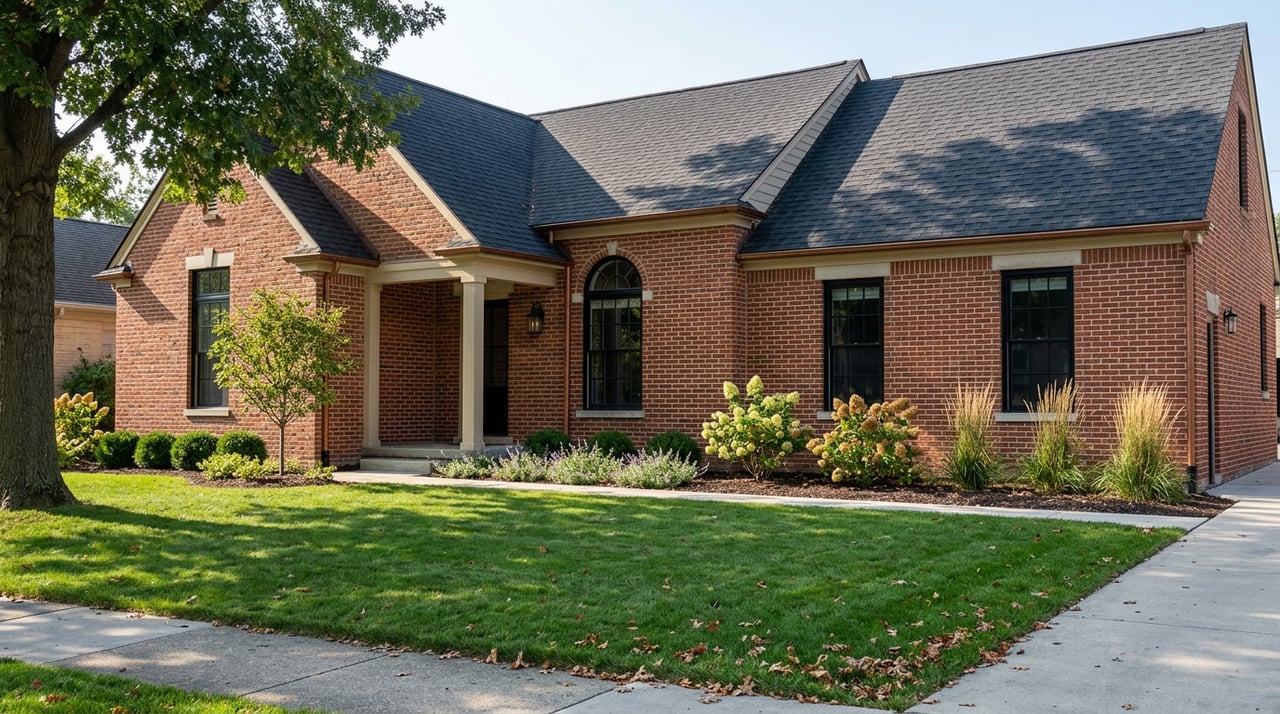
Olivette’s housing stock is predominantly single‑family, with about 2,817 single‑family homes versus roughly 419 multifamily units. That balance gives you real options for interior space and a yard if that is on your list. Much of the original housing was built between the 1940s and 1960s, which explains the common pattern of renovations or full rebuilds on well‑located lots as owners trade up. You can see the city’s unit mix and age profile on the Demographics page and the Year Structure Built map.
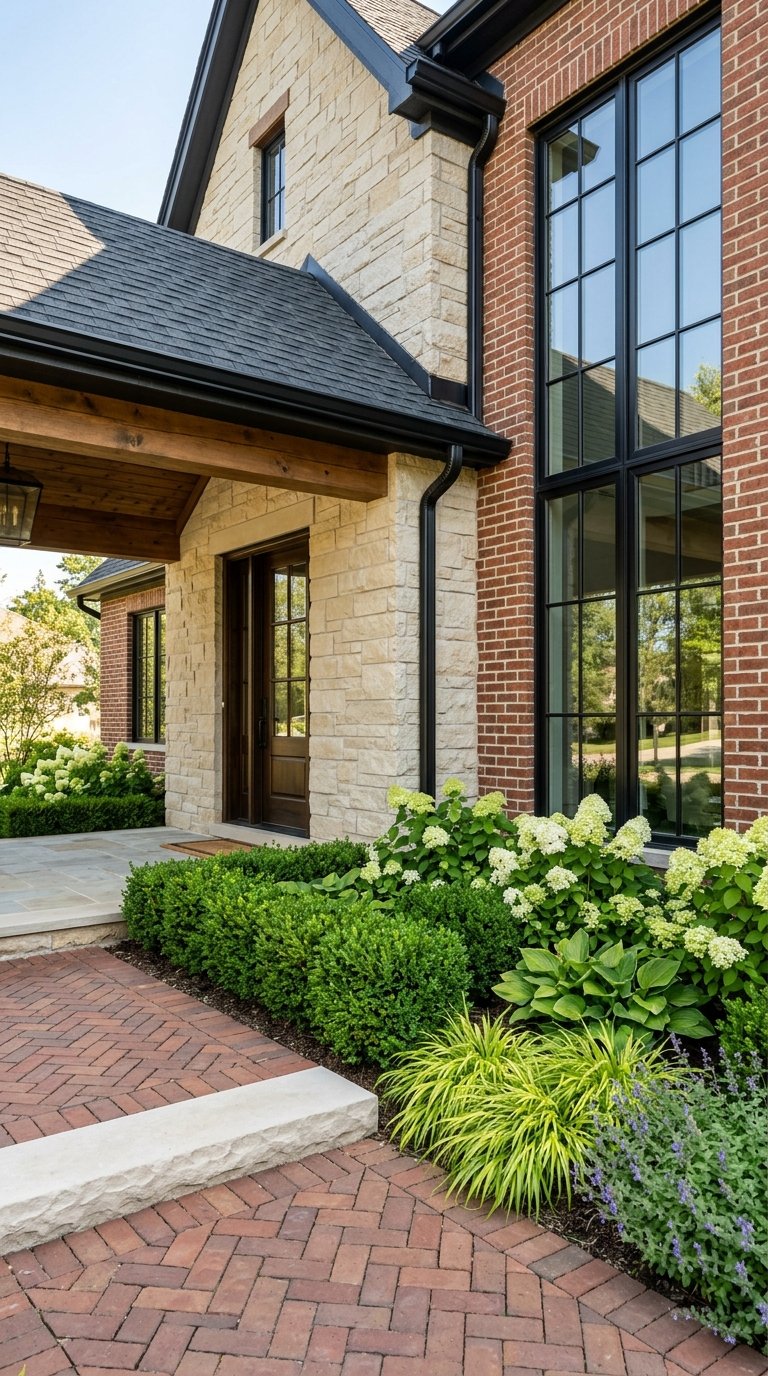
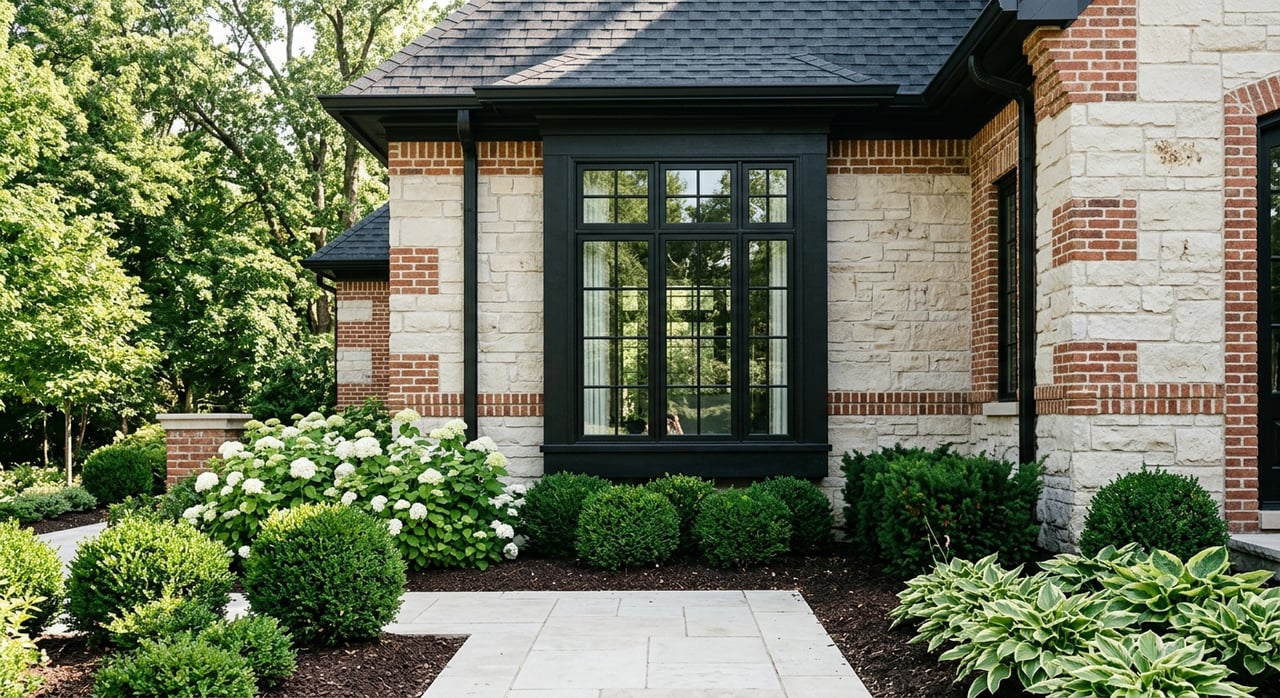
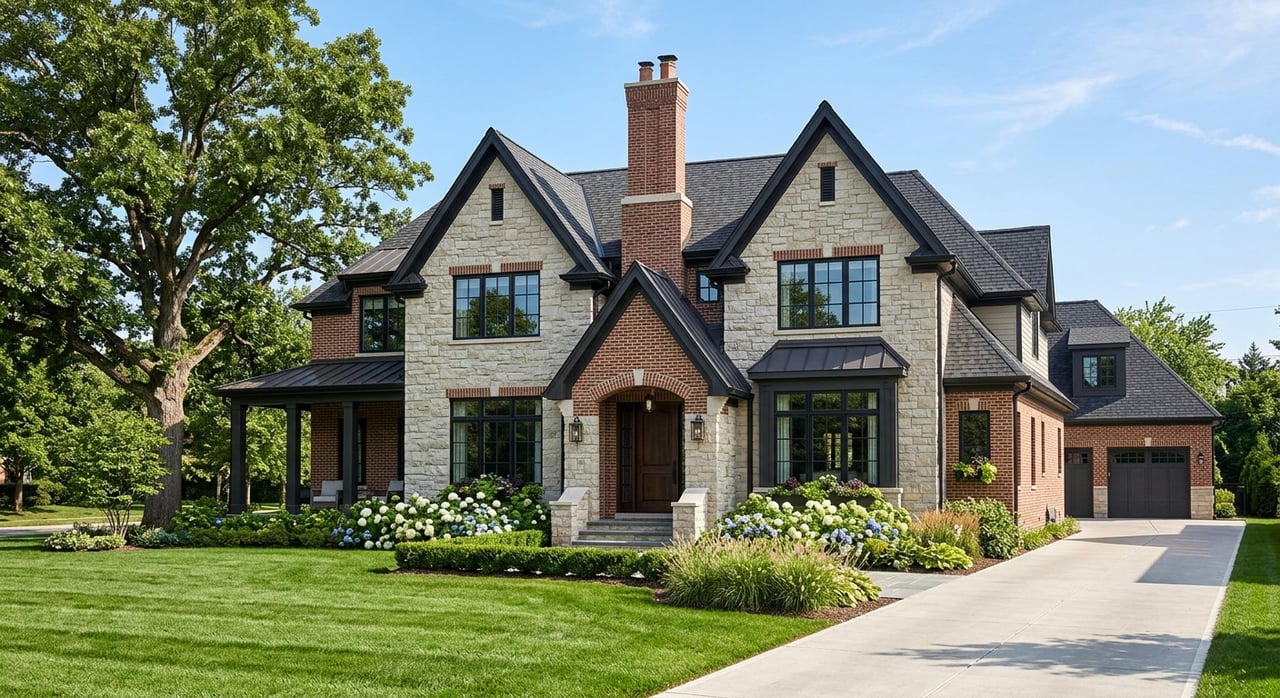
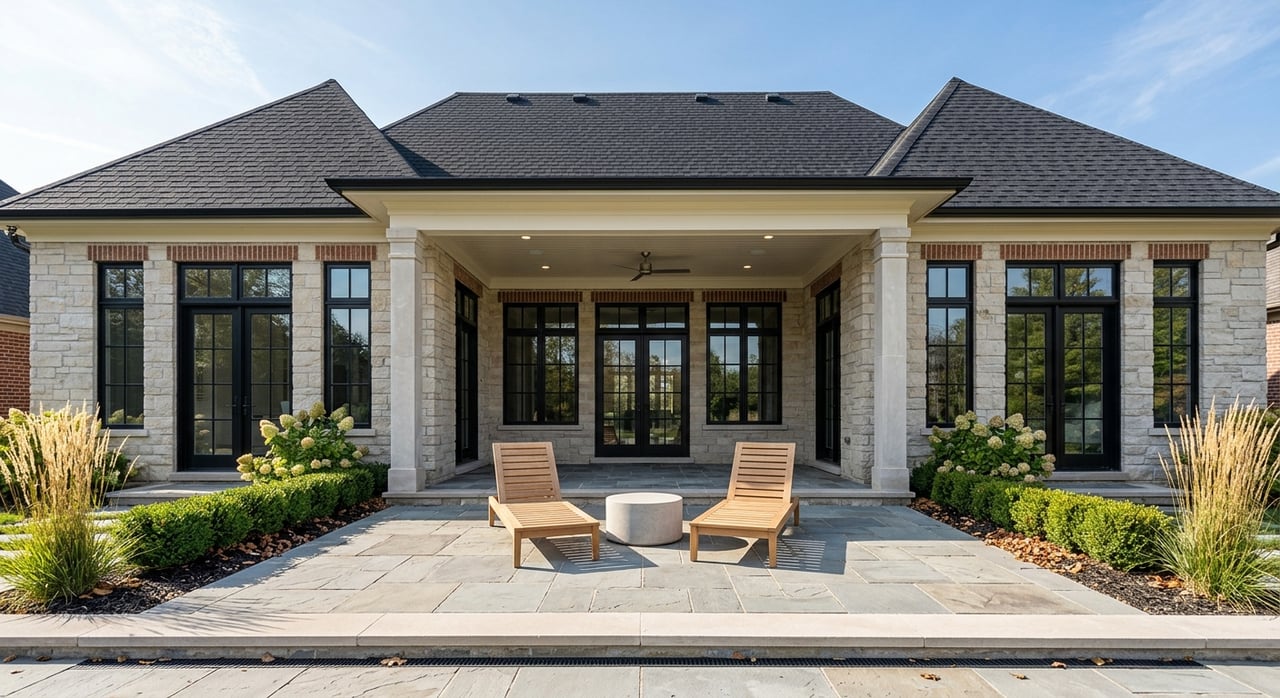
For you, that means a choice: a renovated mid‑century home with character and updates, or a newer replacement home with open layouts and energy upgrades. Either path can work, and both are common across the neighborhood fabric.
Over the past few years, Olivette has added targeted new housing that broadens the mix beyond classic ranches and split‑levels. Highlights include:
If you want new construction style without a full yard to maintain, these projects introduce the kind of product that fits a busy lifestyle. If you prefer a larger lot and more privacy, rebuilds and newer single‑family homes are common throughout established streets.
Public school families in Olivette typically look to the Ladue School District, and Old Bonhomme Elementary sits within the city limits. The district has invested in facilities through bond work in recent years, which many buyers see as a sign of long‑term commitment. Always verify school assignments by address with the district, since boundaries can change. You can confirm the district relationship on the city’s About Olivette page.
Olivette maintains about 100 acres of parks and open space, including Stacy Park at roughly 35 acres, plus Indian Meadows, Villa, Warson and more. The city’s recreation programming and the new Five Oaks on Warson community center create year‑round activity options close to home. Trail and greenway connections continue to expand, adding bikeable and walkable links across the area. For a full overview of parks and amenities, see the parks and recreation brochure and the city’s About page.
If you value options beyond driving, Metro Transit Route 91 (Olive) runs along the city’s main corridor and connects to major activity nodes, including the Delmar Loop Transit Center. That gives you a practical link for commuting or errands. Check the schedule and map on Metro’s Route 91 page.
On the retail side, Olivette has been reinvesting in the Olive Boulevard corridor, with Olive Crossing adding a grocery anchor, apartments and future retail pads. The goal is more convenience and walkability near core neighborhoods. You can track project status and tenants on the city’s Olive Crossing page.
One of Olivette’s strongest stories is value near high‑demand nodes. Census data show the median owner‑occupied housing value in Olivette at about $460,800, compared with $1,056,300 in Ladue and $830,000 in Clayton. You get close access to the same job and amenity centers at a median value that is materially lower. This is a clear trade‑up affordability angle if you want more space and location without moving too far west. Review the figures on Census QuickFacts.
Pricing varies by product, lot, and level of renovation or new construction. As a general guide for move‑up planning, expect a mid‑$400k to high‑$700k bracket for many homes in Olivette, with larger new builds and premium lots trading higher. Newly built townhomes and renovated properties often move faster than legacy homes that need more updates. Velocity can shift by season and price tier, so the best lens is recent MLS comparables for your target streets and product type.
Key tips as you prep your search:
Use this quick checklist. If you nod “yes” to most, Olivette should be on your shortlist:
Ready to explore homes that fit your next chapter in Olivette? Schedule a conversation and a targeted tour plan with Sandra R Mesker. Schedule a private consultation.
Stay up to date on the latest real estate trends.
With a reputation for integrity and results, Sandra Mesker guides you through every step of the process. From first-time buyers to seasoned sellers, Sandra crafts a tailored experience that meets your unique needs and exceeds your expectations.